
Service
Borehole inspection with a borehole camera
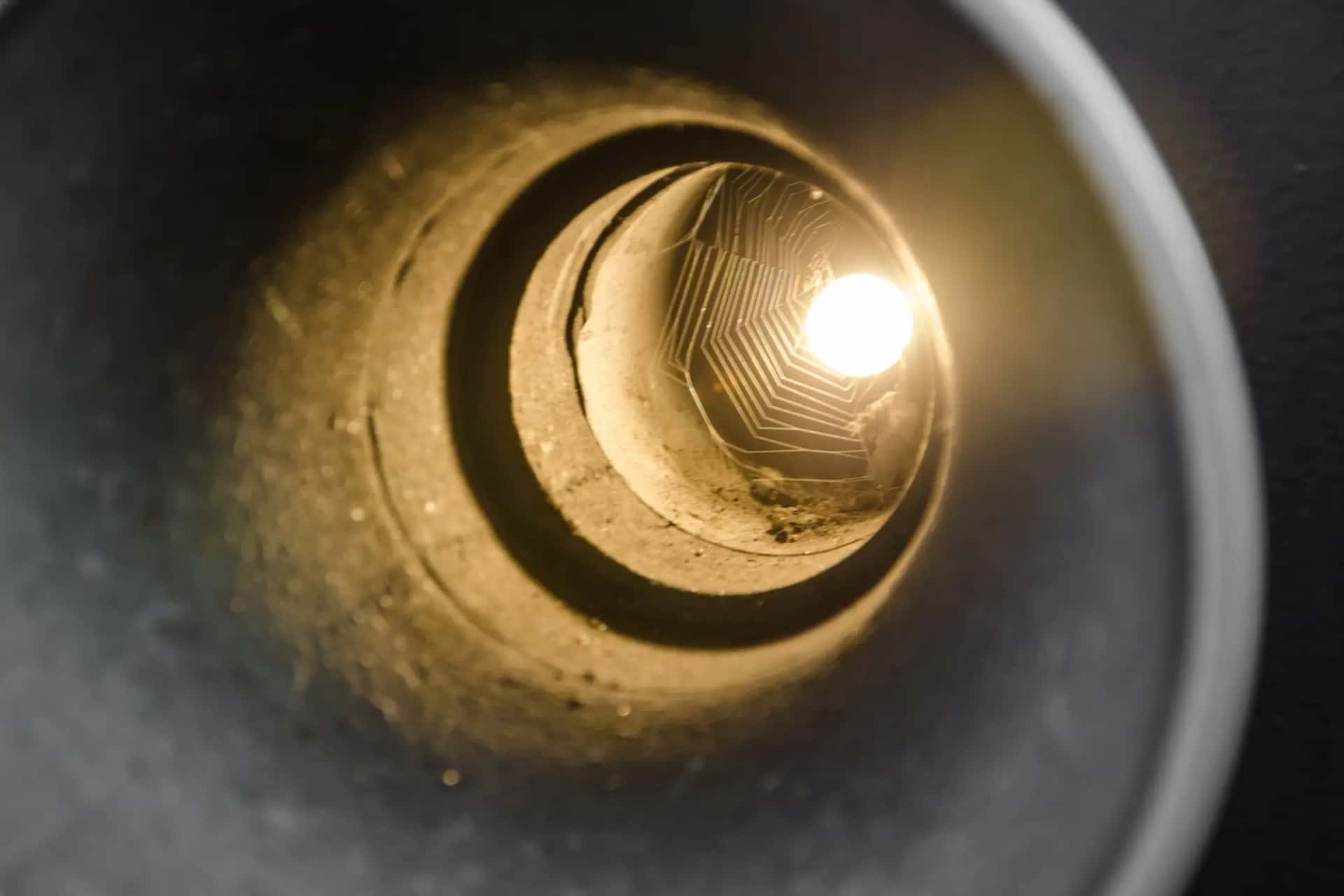
Is the borehole giving sand or cloudy water, has the flow dropped or has the pump got stuck? We lower a borehole camera down to 150 m so you can see what is going on inside before you pay for cleaning, repairs or a new borehole.
- inspection depth
- up to 150 m
- wells drilled
- 1800+
- drilling experience
- since 2005
About the service
What the camera shows inside the borehole
You cannot see a borehole from the top. When the water is cloudy, the flow drops or the pump will not come out, the cause is usually down below: clogged screens, sediment, a displaced or cracked casing, corrosion or a dropped object. The camera shows which one it is, at what depth and how serious it is.
We lower an underwater camera with its own lights while a counter tracks the depth. The whole inspection is recorded, so you can show it to another specialist or keep it to compare with in years to come. That way cleaning, repairs or a new pump are chosen from what can be seen, not blindly.
- The casing and its joints
- Screens, scale and sediment
- The water level and the bottom of the borehole
- A stuck pump, cable or dropped object
After the inspection
What comes next, depending on what the camera showed
- Borehole cleaningWhen the camera shows sediment or clogged screens: airlift cleaning.
- A new borehole pumpIf the old pump is worn out: Grundfos, HyDrop, Conforto and Kurlar from 3" to 10".
- Pump serviceRepair and upkeep of the pump, the pressure set and the controls.
- A new boreholeWhen the casing has collapsed and the borehole cannot be saved.
- Water analysis and filtersWhen the camera shows iron and manganese scale and the water is cloudy.
- HydroSmart BoxWatches the borehole level and warns you if the water drops.
When it helps
When to have the borehole filmed
Cloudy water or sand
The camera shows whether the sand comes from a damaged screen, from sediment at the bottom or from a pump set too low.
Falling flow
We see clogged screens, iron and manganese scale or a collapse that keeps water from reaching the pump.
Stuck or dropped pump
Before pulling, we look at where and how the pump is stuck, so we can get it out without snapping the cable or damaging the casing.
Registering an old borehole
The recording shows how an undocumented borehole was built and is often asked for when registering or legalising it.
Buying a property with a borehole
Before you buy, you know whether the borehole is sound or needs repairs.
Before a new pump or repairs
We check that the casing is straight and clear, so the new pump goes down and does not get stuck.
How we work
The process step by step
The filming itself is quick. Most of the time goes on pulling and refitting the pump, if one is installed.
- 01RequestYou tell us the depth, the casing diameter if you know it, and what the problem is. We ask whether a pump is installed.
- 02Pulling the pumpIf there is a pump in the borehole, we take it out with the pipe and cable so the camera can pass freely.
- 03Lowering the cameraWe lower the camera slowly to the bottom or down to 150 m and watch the picture on a monitor on site.
- 04RecordingThe whole inspection is recorded on a USB stick, and the counter logs the depth of every finding.
- 05ExplanationOn site we show you what can be seen and what it means. On request we write a report with the findings by depth and our recommendations.
- 06Next stepWe refit the pump or propose cleaning, repairs or a new pump based on what we saw.
Questions
Frequently asked questions
What can be seen in a borehole camera inspection?
The casing and its joints, the screens, iron and manganese scale, sediment, the water level and the bottom, as well as stuck or dropped objects. The counter shows the depth of each of them.
Does the pump have to come out?
In most cases, yes. The pump, pipe and cable take up room in the borehole and the camera can get tangled in them. We pull and refit the pump ourselves, so you do not need another company.
How deep can you film?
Our camera goes down to 150 m. That covers most water boreholes for houses, holiday homes and farms. For a deeper borehole, call us to discuss it.
Can you see anything if the water is cloudy?
Cloudy water and sand reduce visibility. Sometimes the water has to settle, or the borehole has to be cleaned with an airlift first, before the picture is clear.
What do I get after the inspection?
A recording of the whole inspection on a USB stick. On request we also write a report with the findings by depth and what we recommend.
Can the camera help with a stuck pump?
Yes. We see where the pump is stuck and what is holding it: a collapse, scale, a displaced casing or a tangled cable. That way the recovery is planned instead of pulling blindly.
What can the camera not show?
The camera cannot see behind the casing wall and does not measure the flow or the water quality. For that we measure the flow and level and take a sample for water analysis.
Is a recording needed to legalise a borehole?
For an old borehole without documents, the recording shows how it was built and is often asked for when registering it with the river basin directorate. Check with the directorate what exactly your case needs.
How much does a borehole camera inspection cost?
The price depends on the depth, on whether a pump has to come out and on the distance to the site. Call us and after a few questions we will give you a price.
The whole system from one company
More services
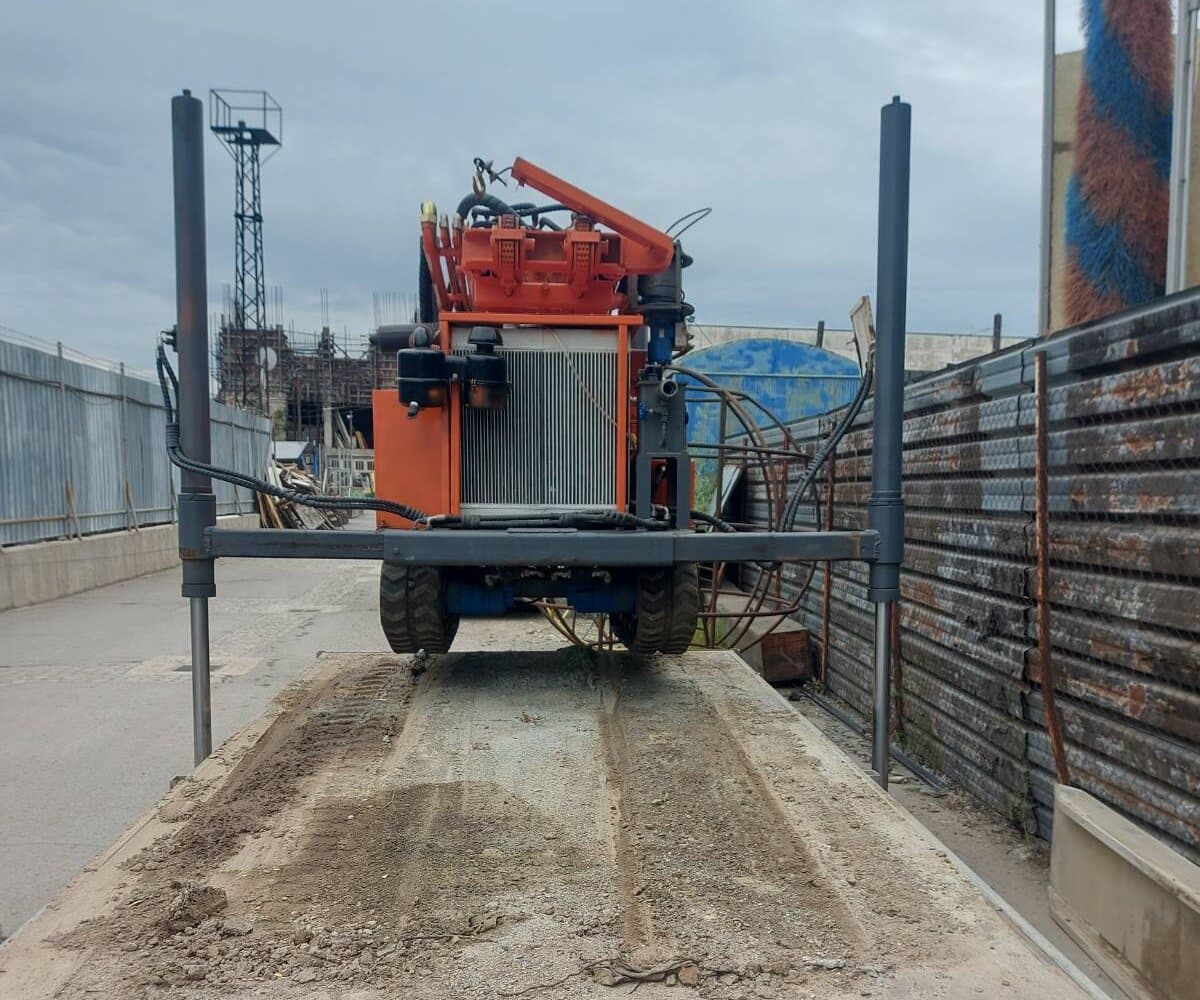 Well drillingWater and geothermal wells from 15 to 200 m, developed and fitted with a pump.
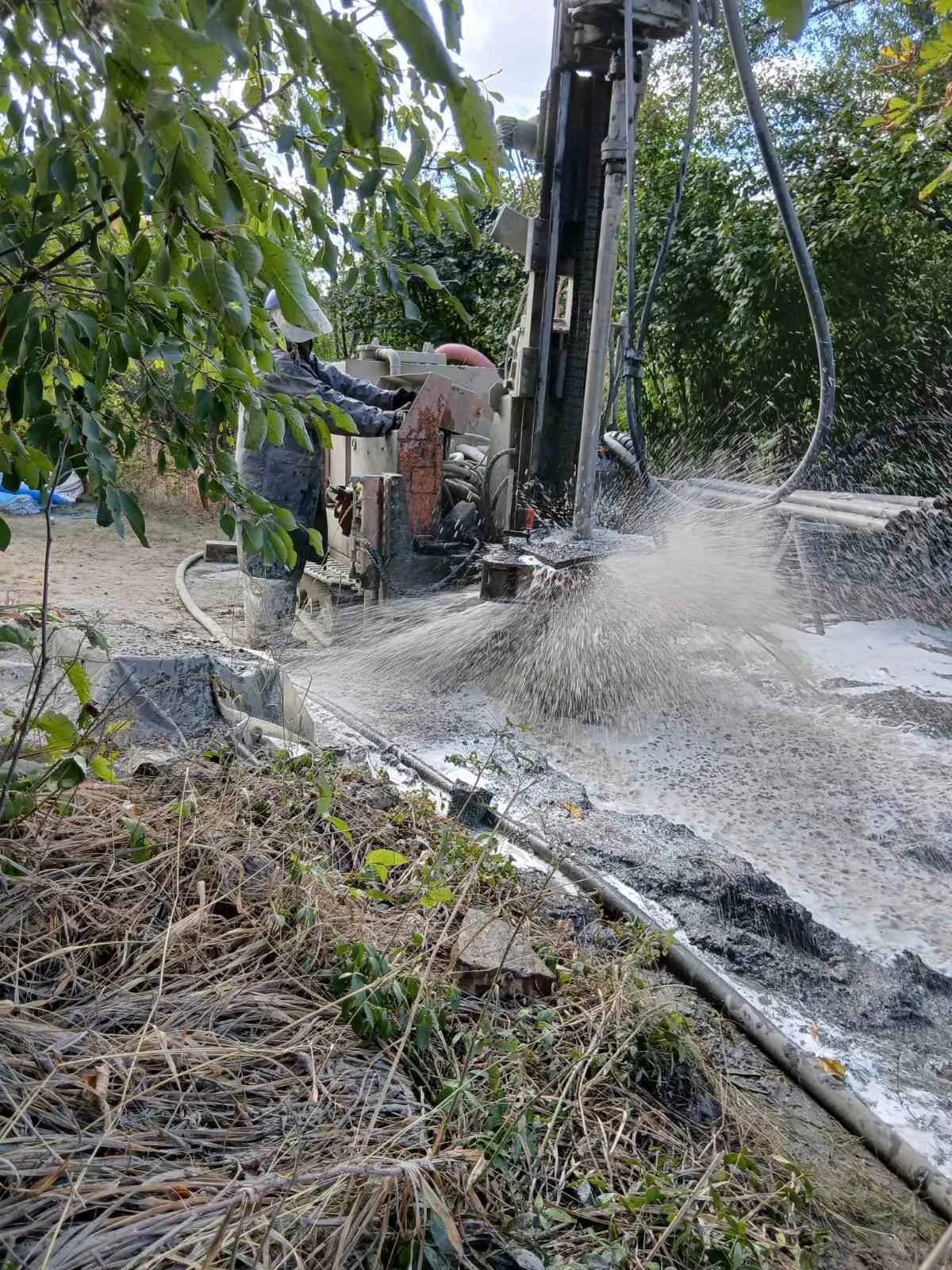 Borehole cleaningAirlift cleaning of new and old boreholes when the water is cloudy or the flow drops.
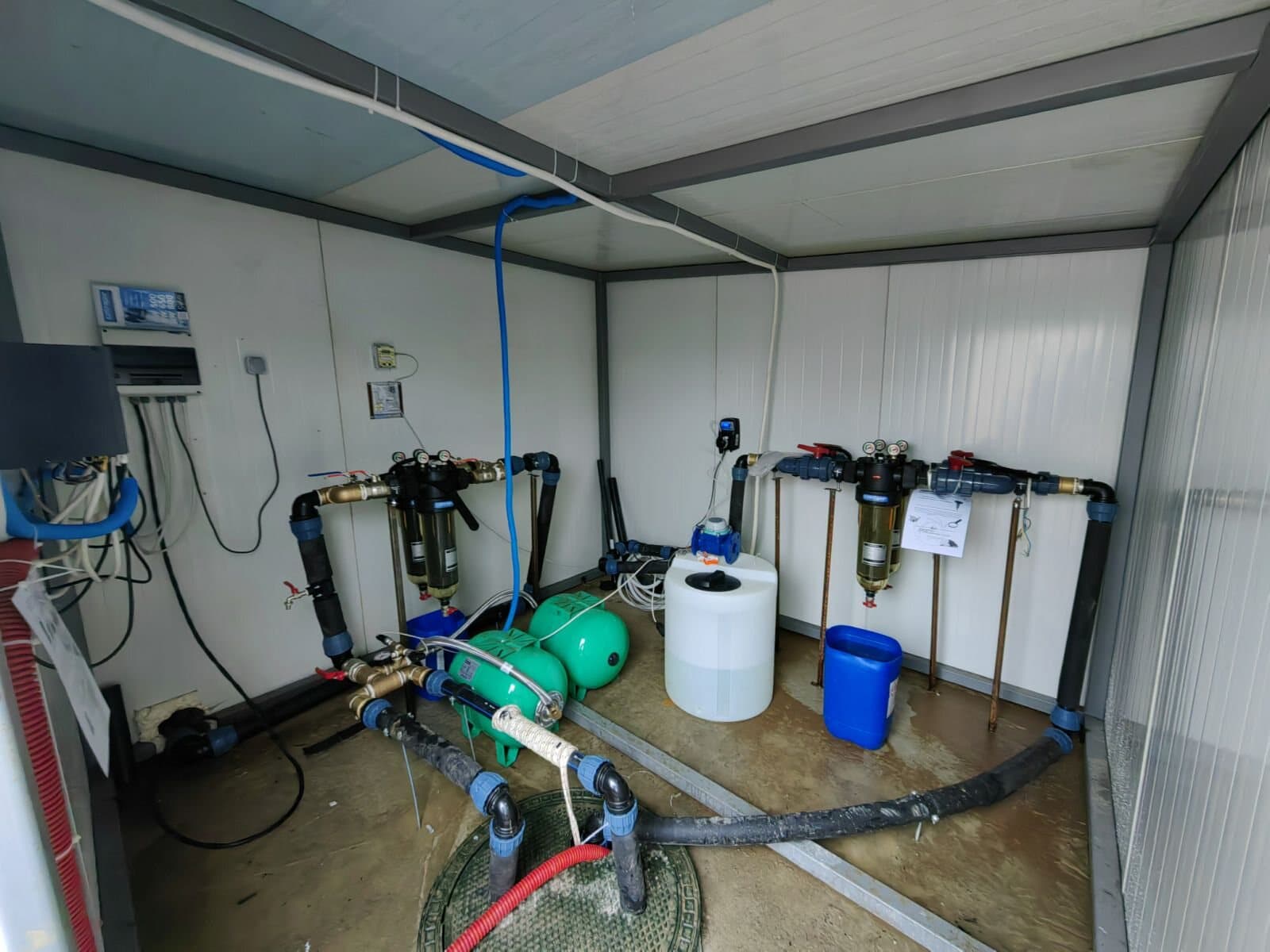 Pumps and pressure systemsSubmersible and surface pumps, pressure tanks and booster systems, installed.
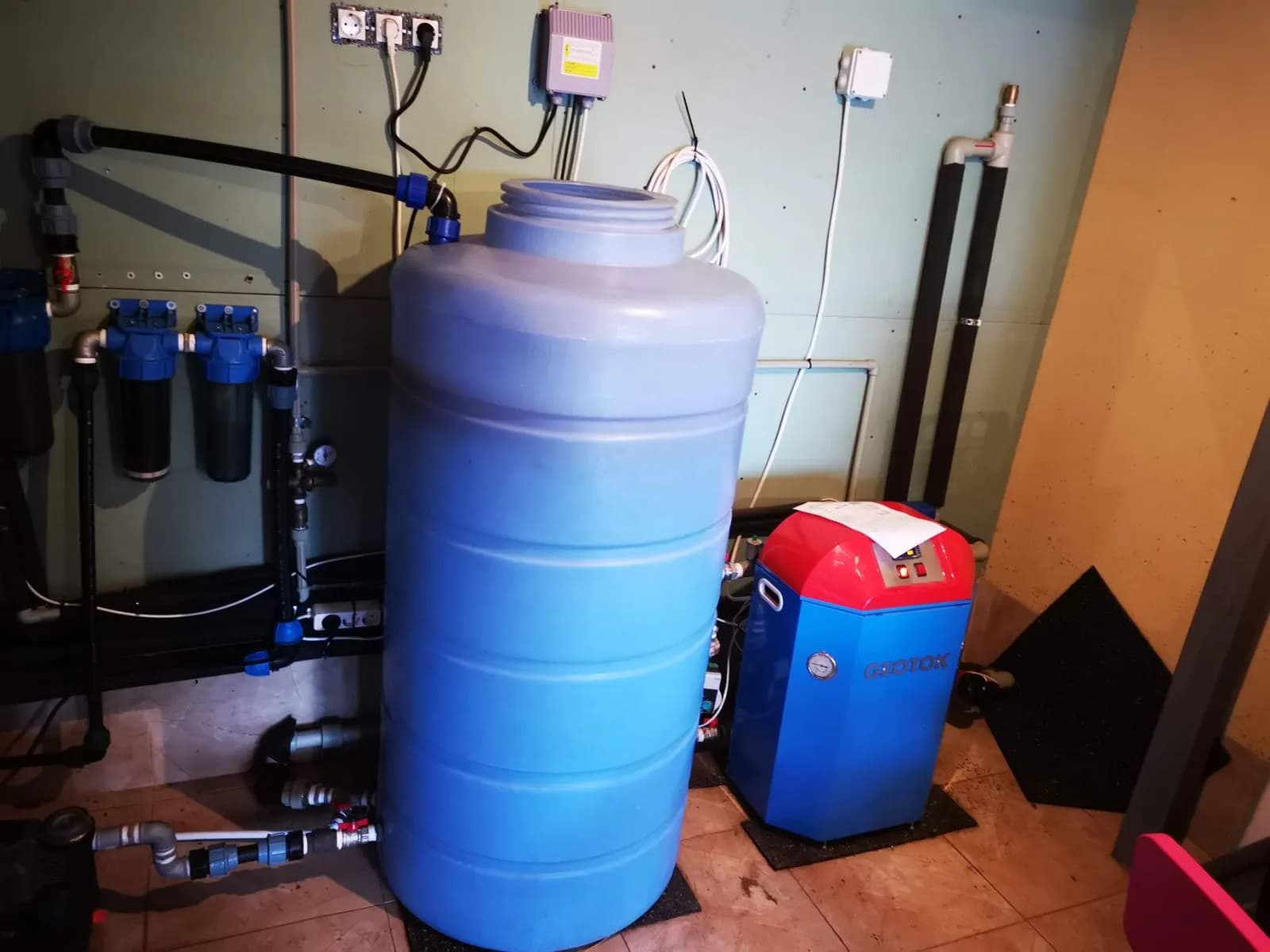 House booster setsPump, pressure vessel and controls for water from a borehole, well or tank.
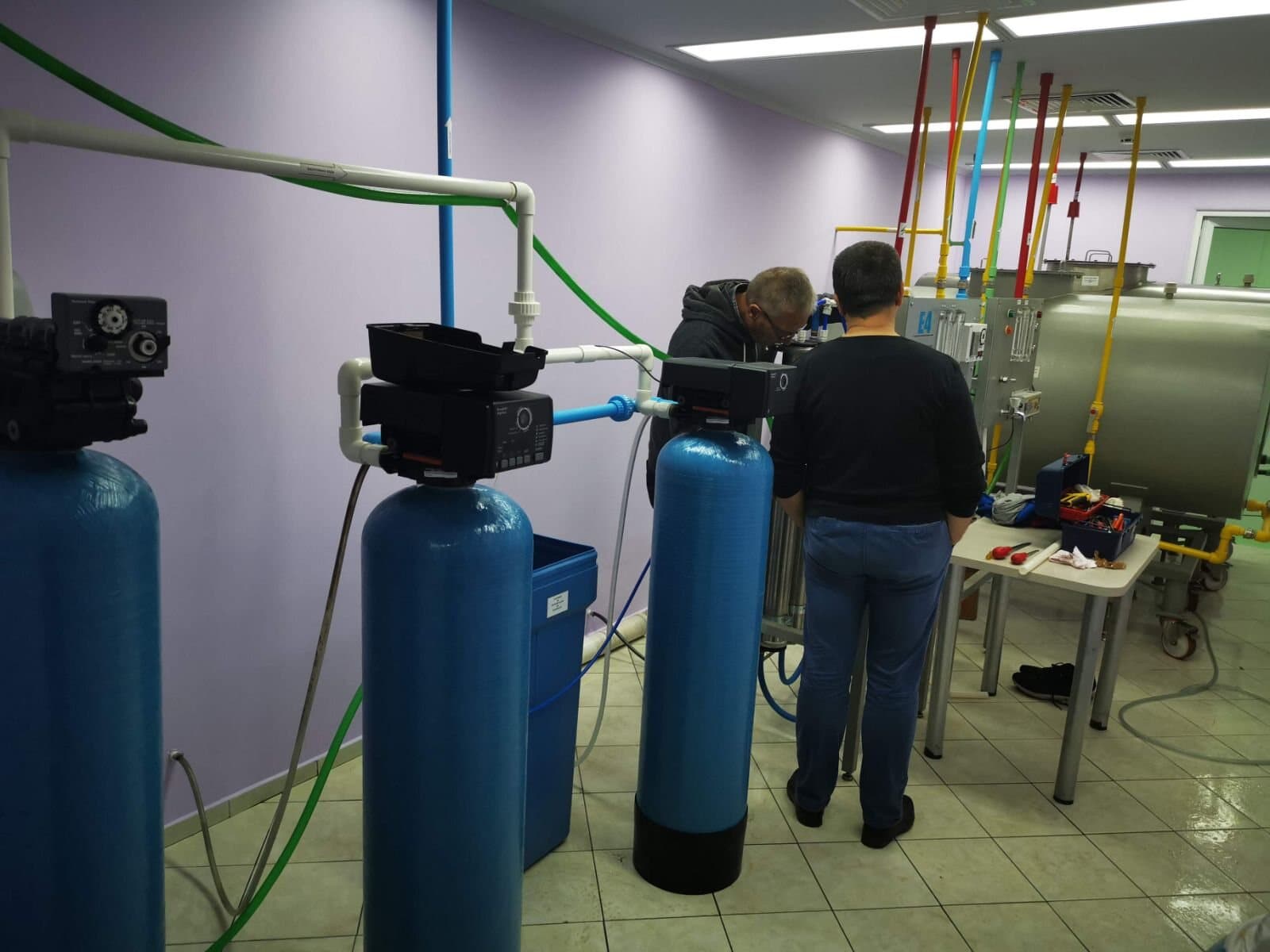 Water treatmentSoftening, filtering and reverse osmosis for clean water at home and at work.
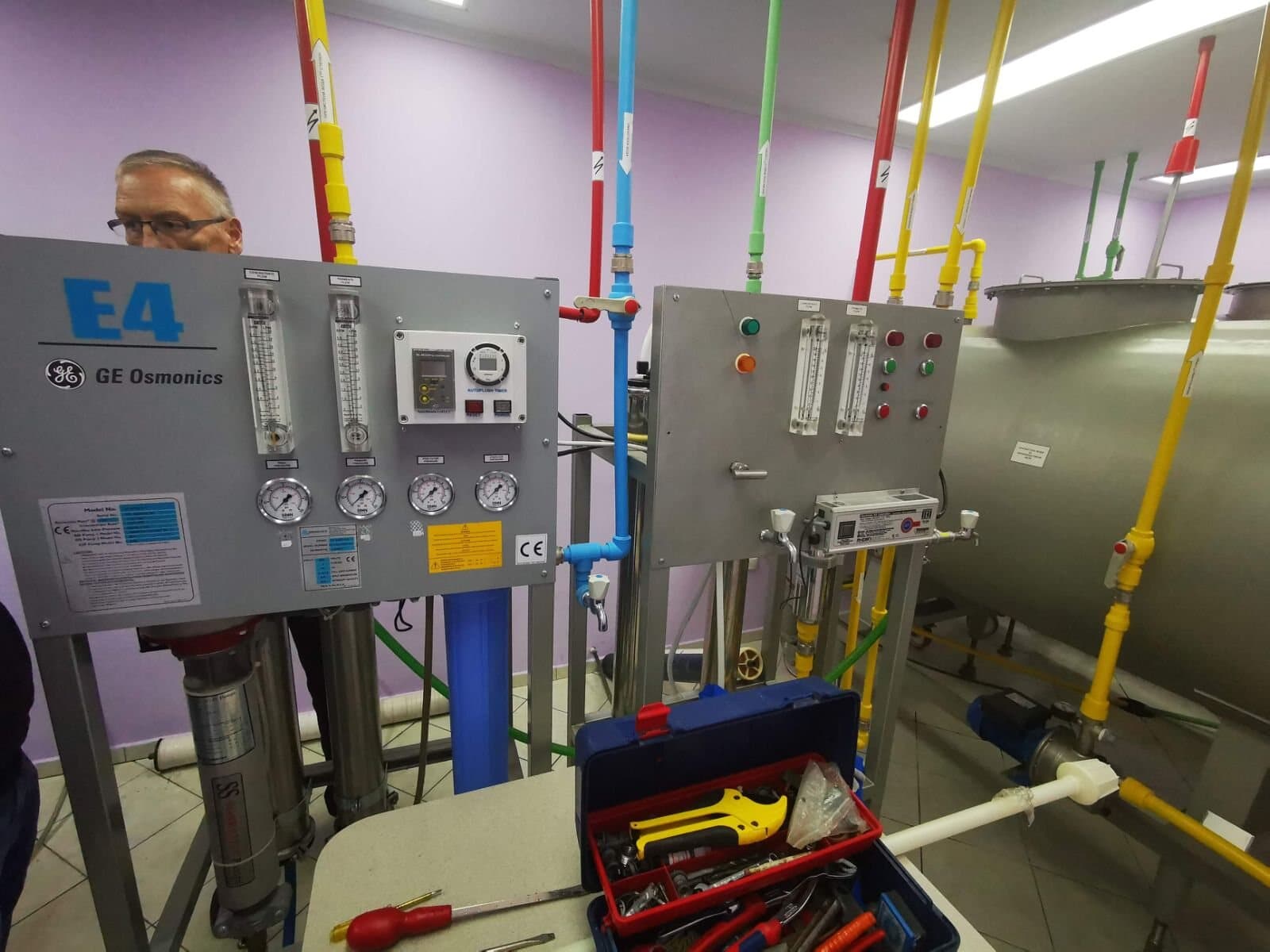 Reverse osmosisDrinking water free of salts, nitrates and heavy metals, under the sink or for production.
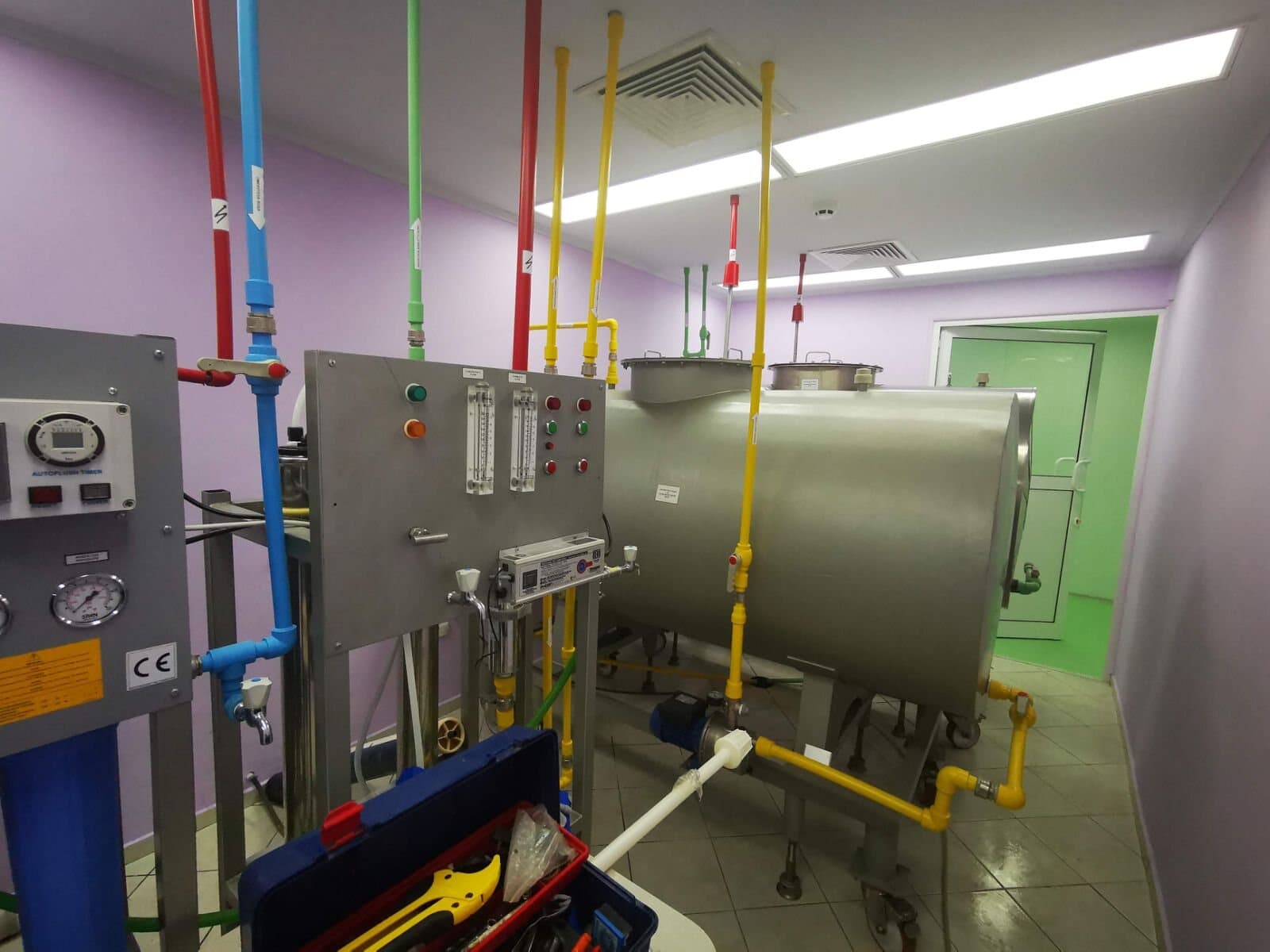 UV disinfectionDisinfecting water with UV light, with no chemicals and no change in taste.
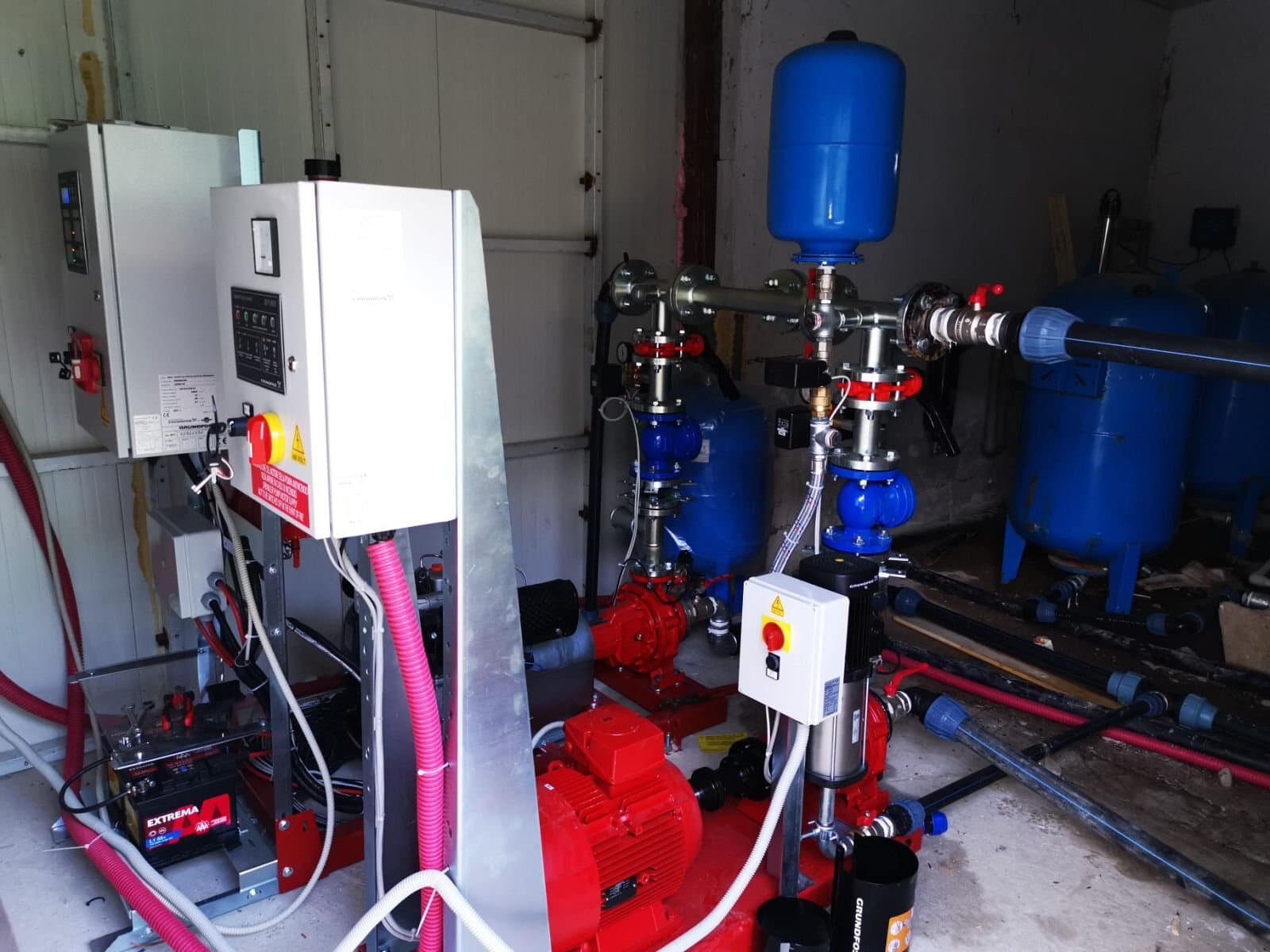 Service and maintenanceRepairs, diagnostics and contracted upkeep with genuine parts.
Free consultation
Tell us what you need: a new well, a pump, water treatment or a repair. One of our specialists will suggest a solution and a quote.
- Questions about this serviceAnastas Hitrov, 0888 654 040
- Phone0886 834 7170888 654 040
- Emailoffice@hydrocraft.bg
- Working hoursMon–Fri, 8:30–17:00
- OfficeSofia, Orlandovtsi, 1 Mara Buneva St.