
Service
Water softening and treatment
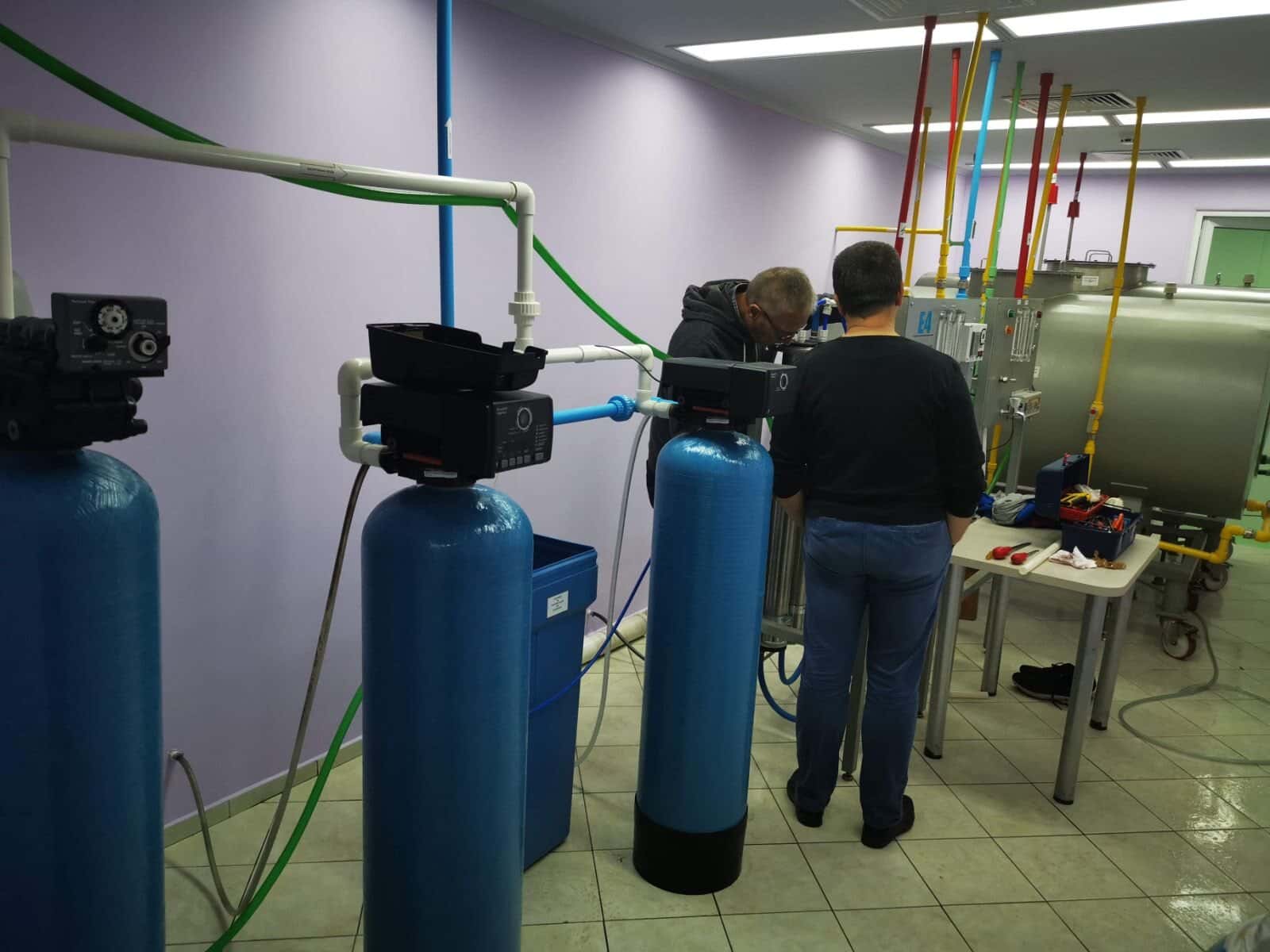
Softeners, filters and reverse osmosis for clean, soft water. We start with a water analysis and choose the system from the results.
- fewer dissolved substances
- up to 99%
- fewer organic impurities
- up to 98%
- in appliances
- no limescale
About the service
What water softening is
Softening is a chemical or physical process that removes the calcium and magnesium that make water hard.
When these minerals build up they form limescale. It damages water heaters, washing machines, pipes and surfaces and raises your electricity bills.
- Water heaters, washers and dishwashers free of limescale
- Less detergent for laundry and washing up
- Soft water that is kinder to skin and hair
Methods
How water is softened
- Most popular
Ion exchange
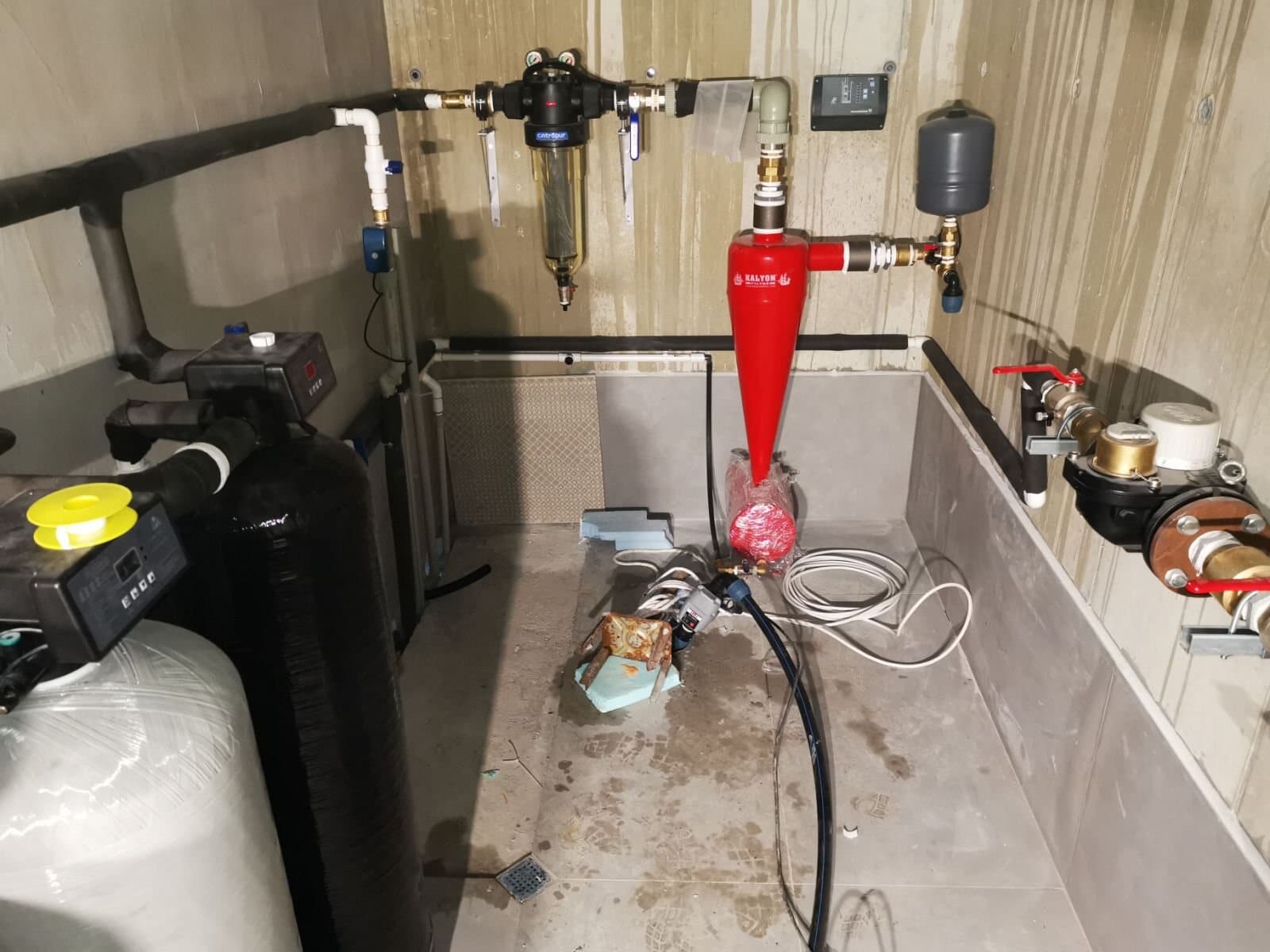
The water passes through an ion-exchange resin that captures calcium and magnesium and swaps them for sodium. When the resin is saturated, the system flushes itself with brine.
Polyphosphate dosing
Dosing pumps or filters add polyphosphates. They do not remove the minerals, but stop them from crystallising into limescale.
Electromagnetic methods
A magnetic field changes the structure of the calcium crystals so they do not stick to the pipes.
Reverse osmosis
Clean drinking water with reverse osmosis
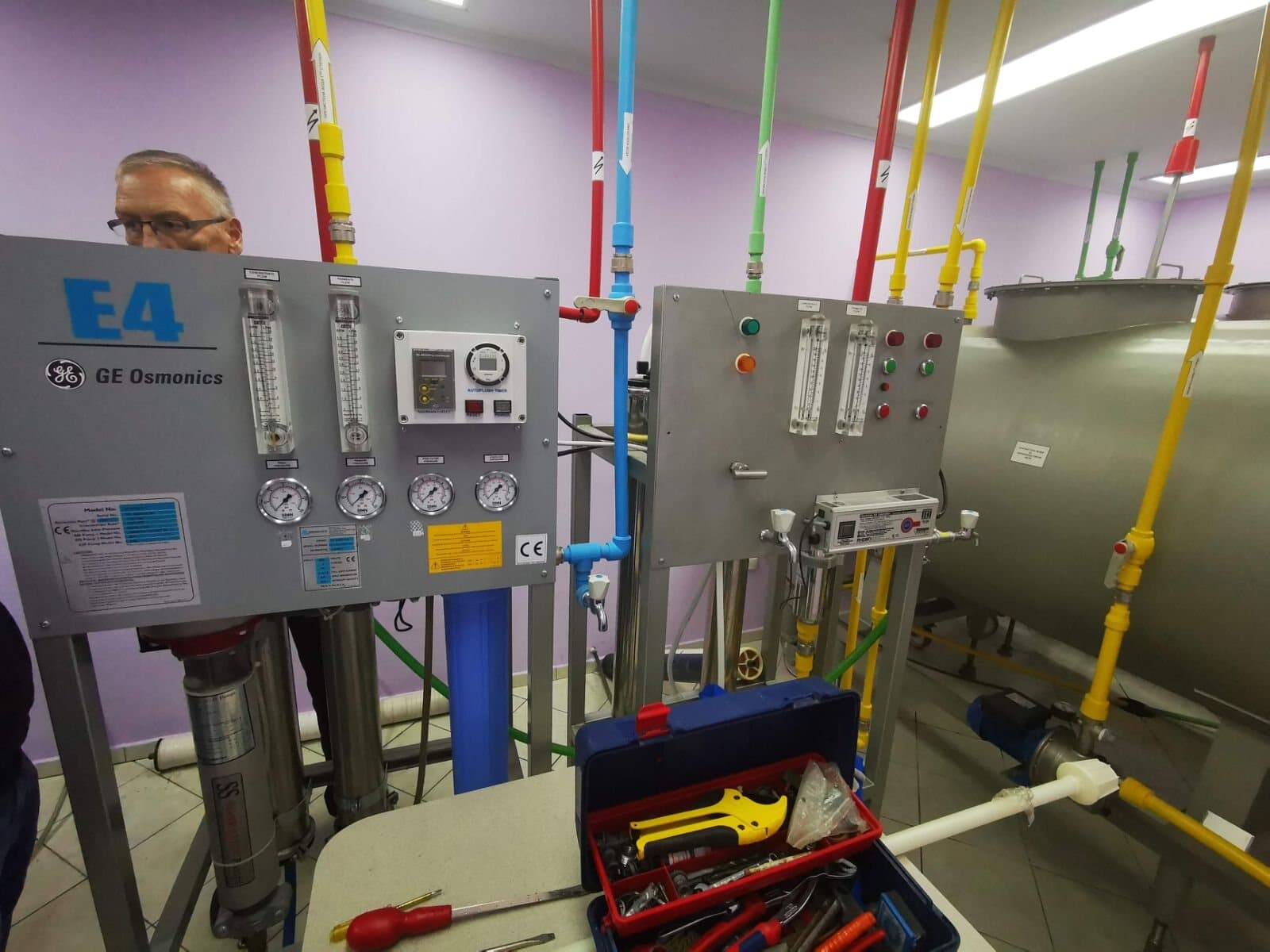
A semi-permeable membrane holds back up to 99% of dissolved substances and up to 98% of organic compounds. It suits homes, offices and production.
- Up to 99% pure waterMembrane technology that removes up to 99% of dissolved substances.
- Up to 98% of organic compoundsThe cleanest possible drinking water.
- No micro-organismsRemoves bacteria and viruses.
- Limescale protectionProtects water heaters, washers and kettles.
Benefits
What softened water gives you
Protected appliances
No limescale in water heaters, washers, dishwashers and coffee machines. Longer life and lower power bills.
Less detergent
Soaps and detergents lather more easily, so you use up to 50% less.
Kinder to your body
Hard water dries out skin and hair. Soft water reduces irritation.
Easier cleaning
The white marks on sinks, taps, tiles and shower screens disappear.
How we work
The process step by step
From the water analysis to installation and upkeep.
- 01AdviceWe discuss the water problems: hardness, iron, manganese and others.
- 02Sample and analysisA lab analysis shows exactly which system you need.
- 03SolutionWe design the system around your needs, flow and water source.
- 04DeliveryFilters, softeners and reverse osmosis delivered to site.
- 05InstallationConnection to the supply and setting the parameters.
- 06UpkeepReplacing filters and consumables and checking performance.
Questions
Frequently asked questions
What is water softening?
A process that removes the calcium and magnesium responsible for hardness. It stops the limescale that damages appliances, pipes and surfaces.
What softening methods are there?
The most common is ion exchange: a resin swaps calcium and magnesium for sodium. Polyphosphate dosing and electromagnetic methods are also used.
How effective is reverse osmosis?
It removes up to 99% of dissolved substances and up to 98% of organic compounds in the water.
How often are filters replaced?
Mechanical filters every 3 to 6 months, carbon filters every 6 to 12 months, reverse osmosis membranes every 2 to 3 years.
How much does a treatment system cost?
It depends on the type and complexity of the system. Get in touch for a quote based on your water.
Do you offer a warranty and service?
Yes. All systems carry a warranty, and with an annual contract we replace the filters and check performance.
The whole system from one company
More services
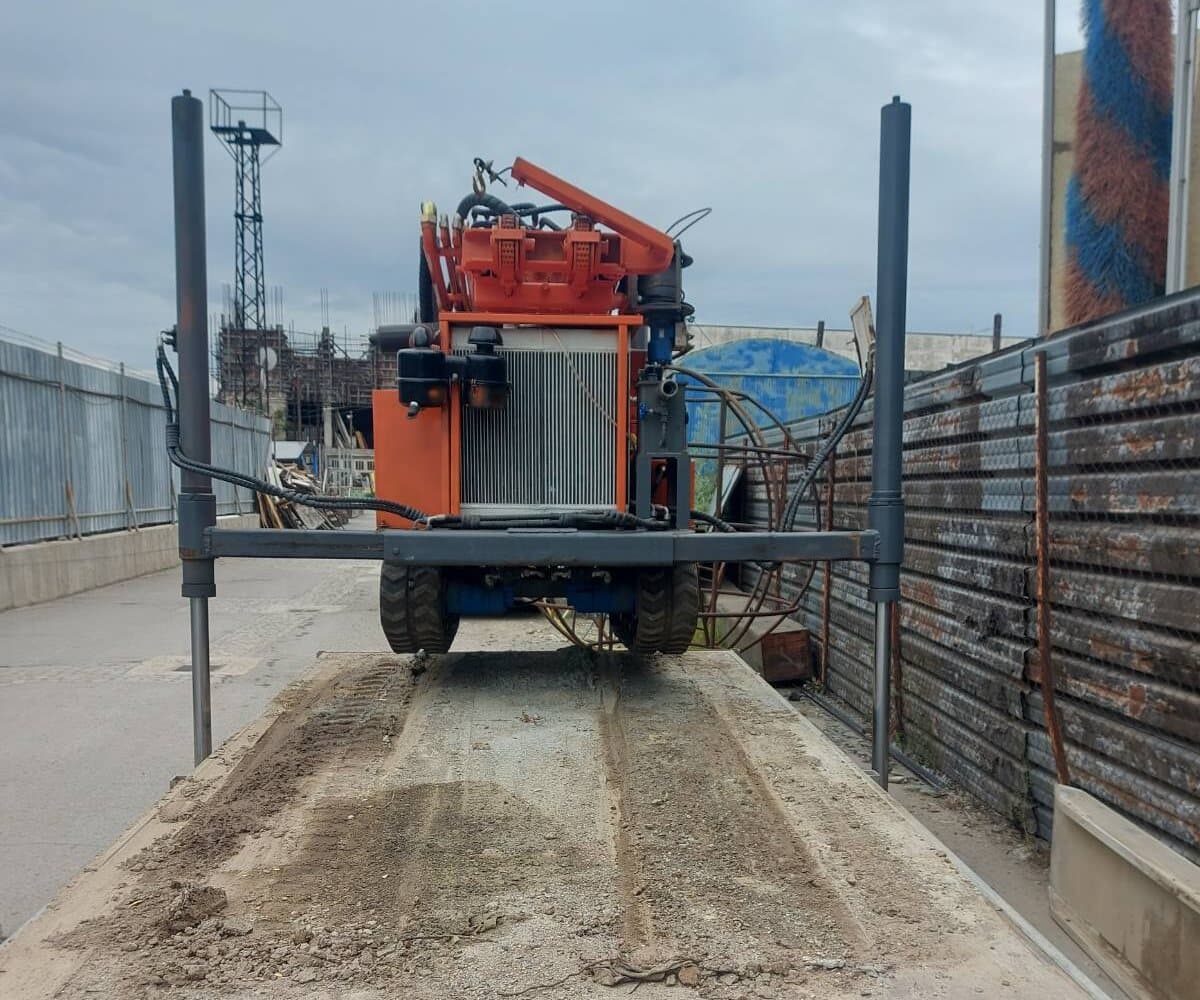 Well drillingWater and geothermal wells from 15 to 200 m, developed and fitted with a pump.
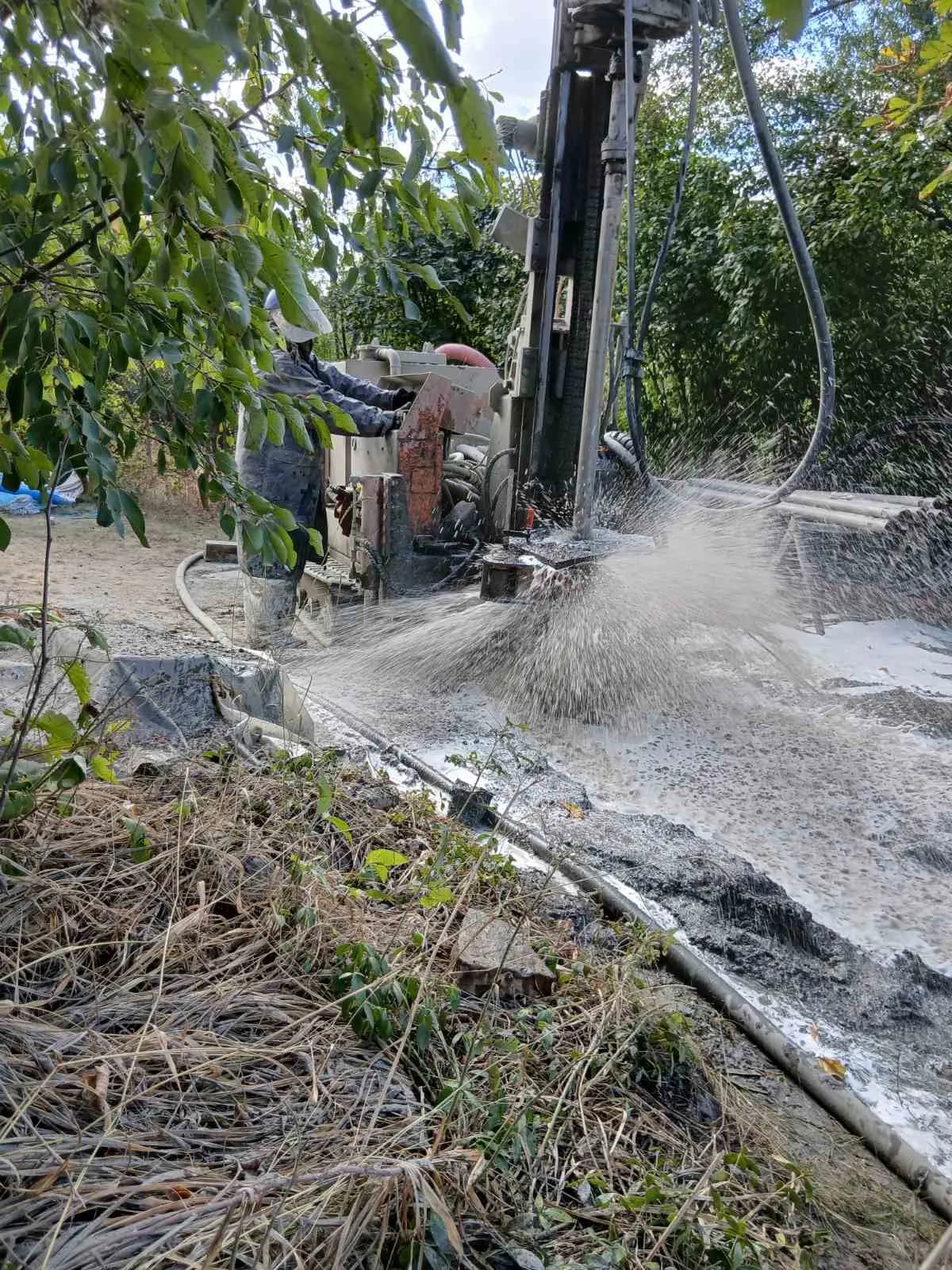 Borehole cleaningAirlift cleaning of new and old boreholes when the water is cloudy or the flow drops.
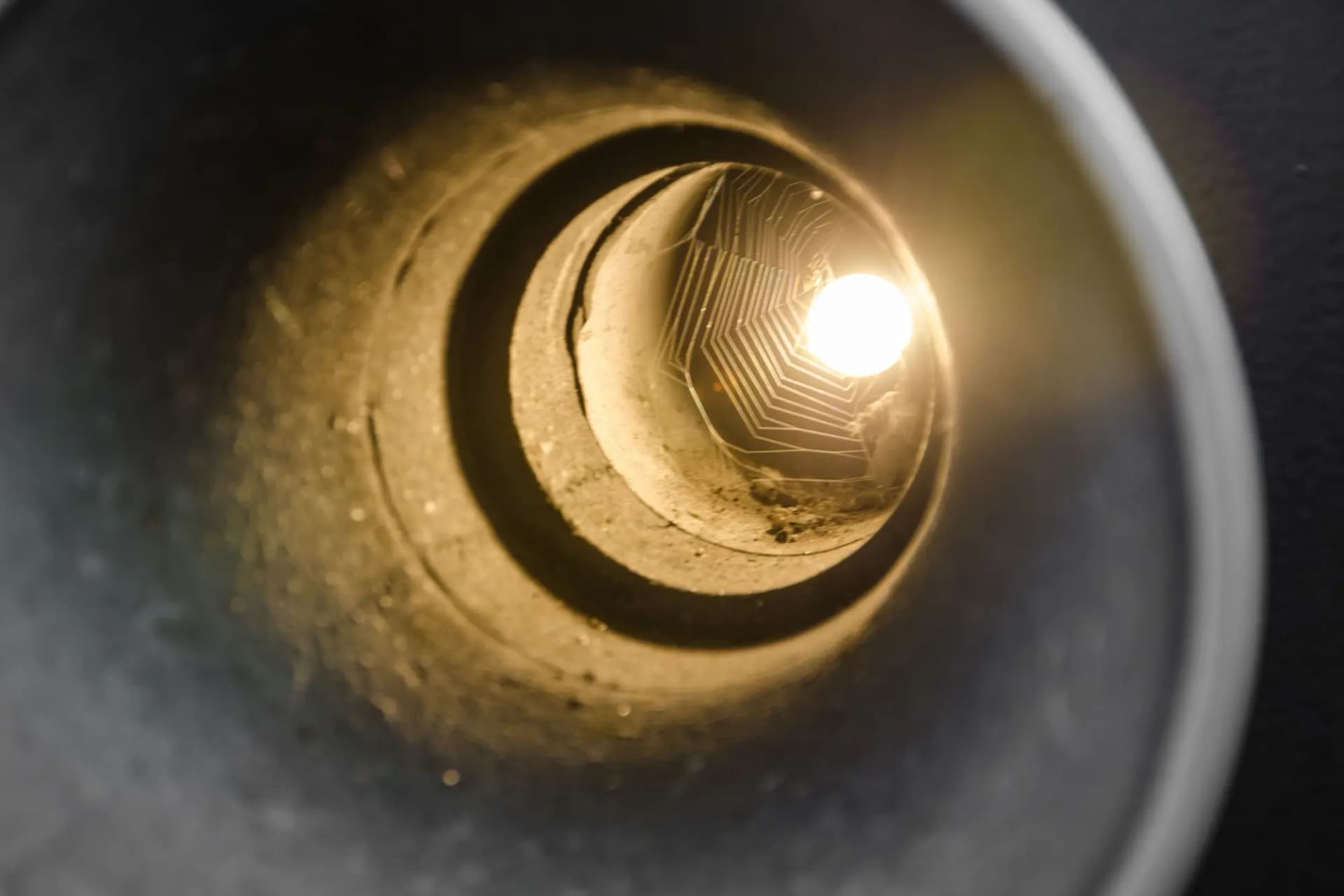 Borehole camera inspectionVideo survey down to 150 m: casing, screens, sediment and stuck objects.
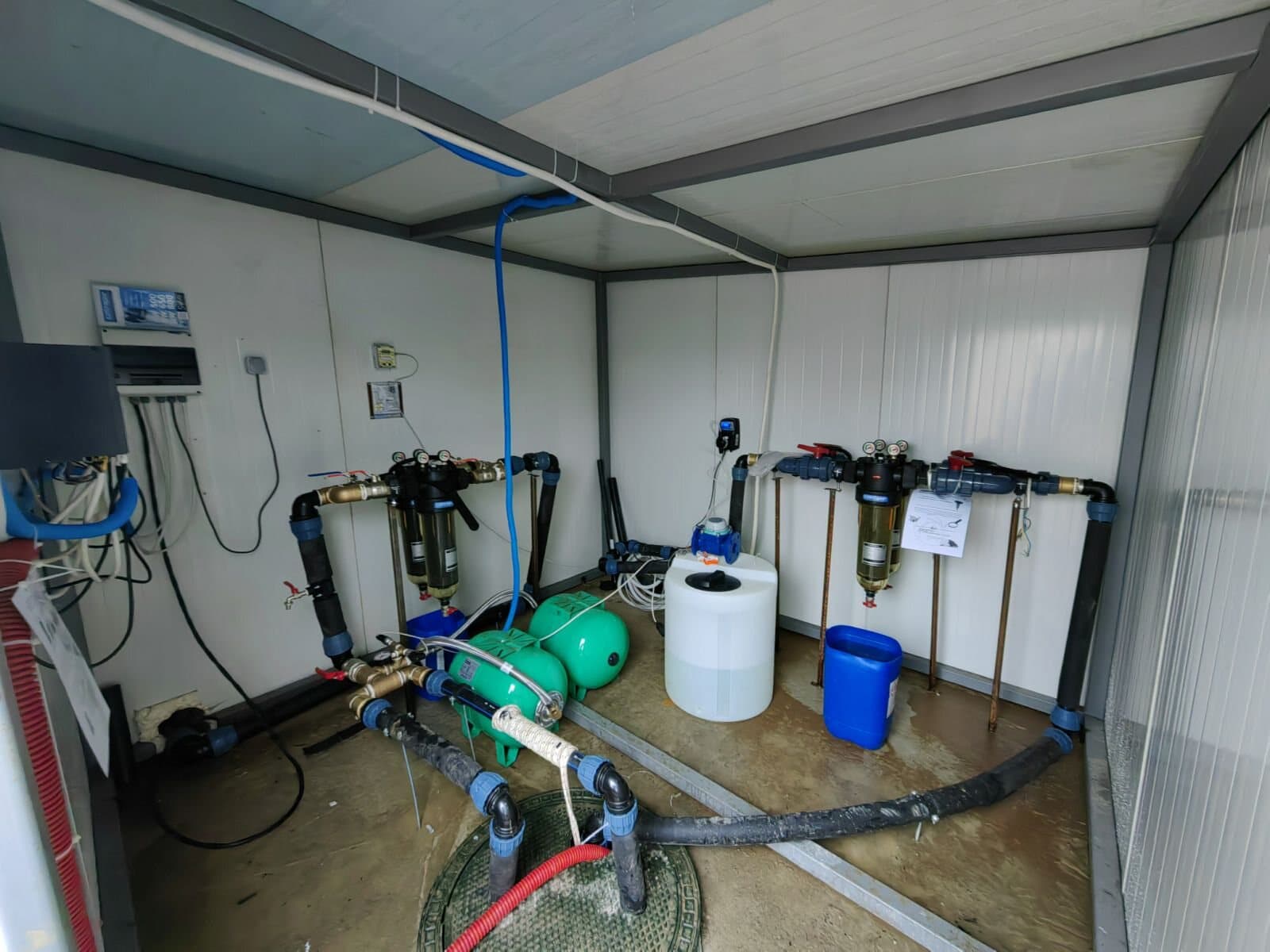 Pumps and pressure systemsSubmersible and surface pumps, pressure tanks and booster systems, installed.
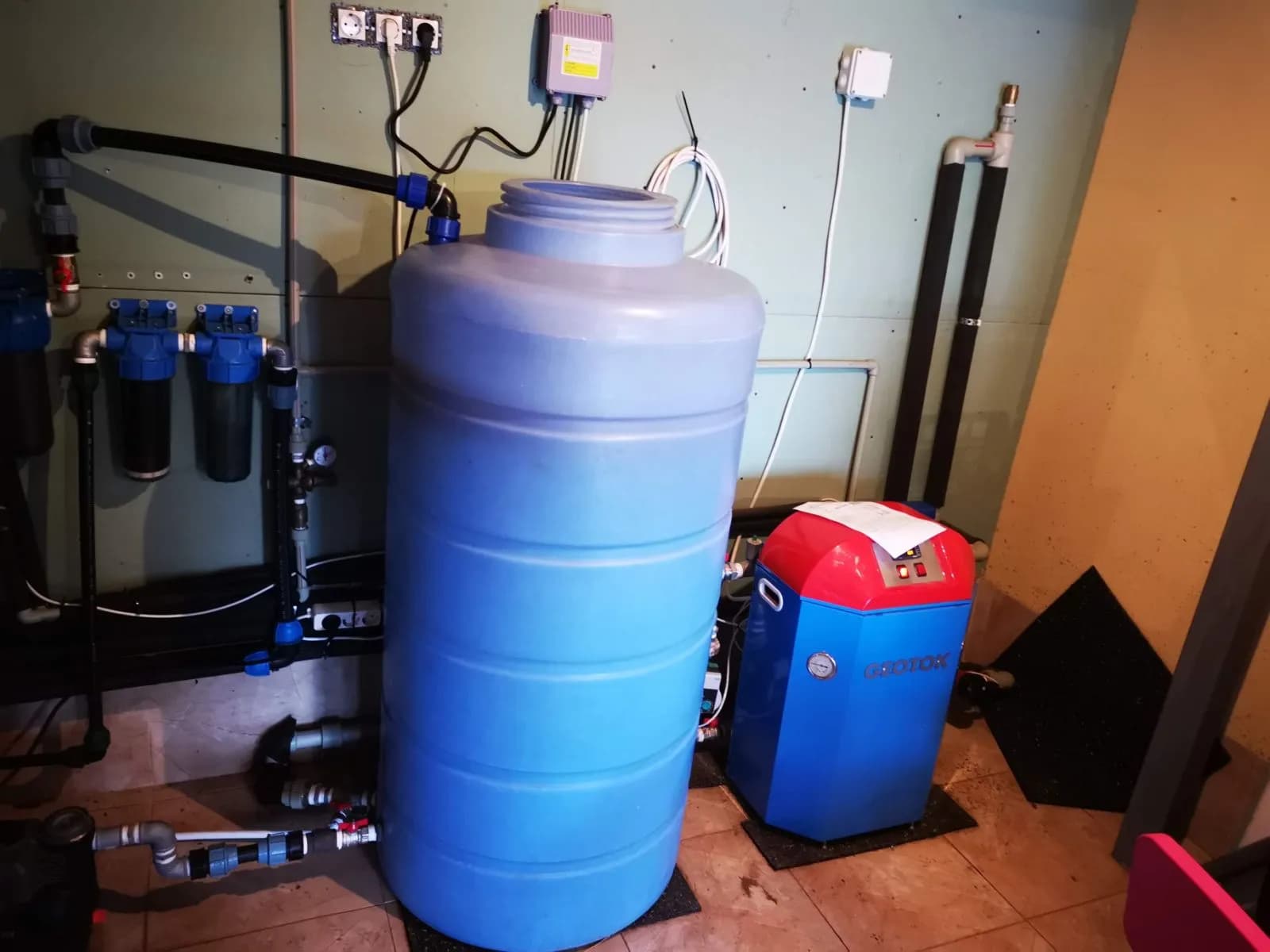 House booster setsPump, pressure vessel and controls for water from a borehole, well or tank.
- Reverse osmosisDrinking water free of salts, nitrates and heavy metals, under the sink or for production.
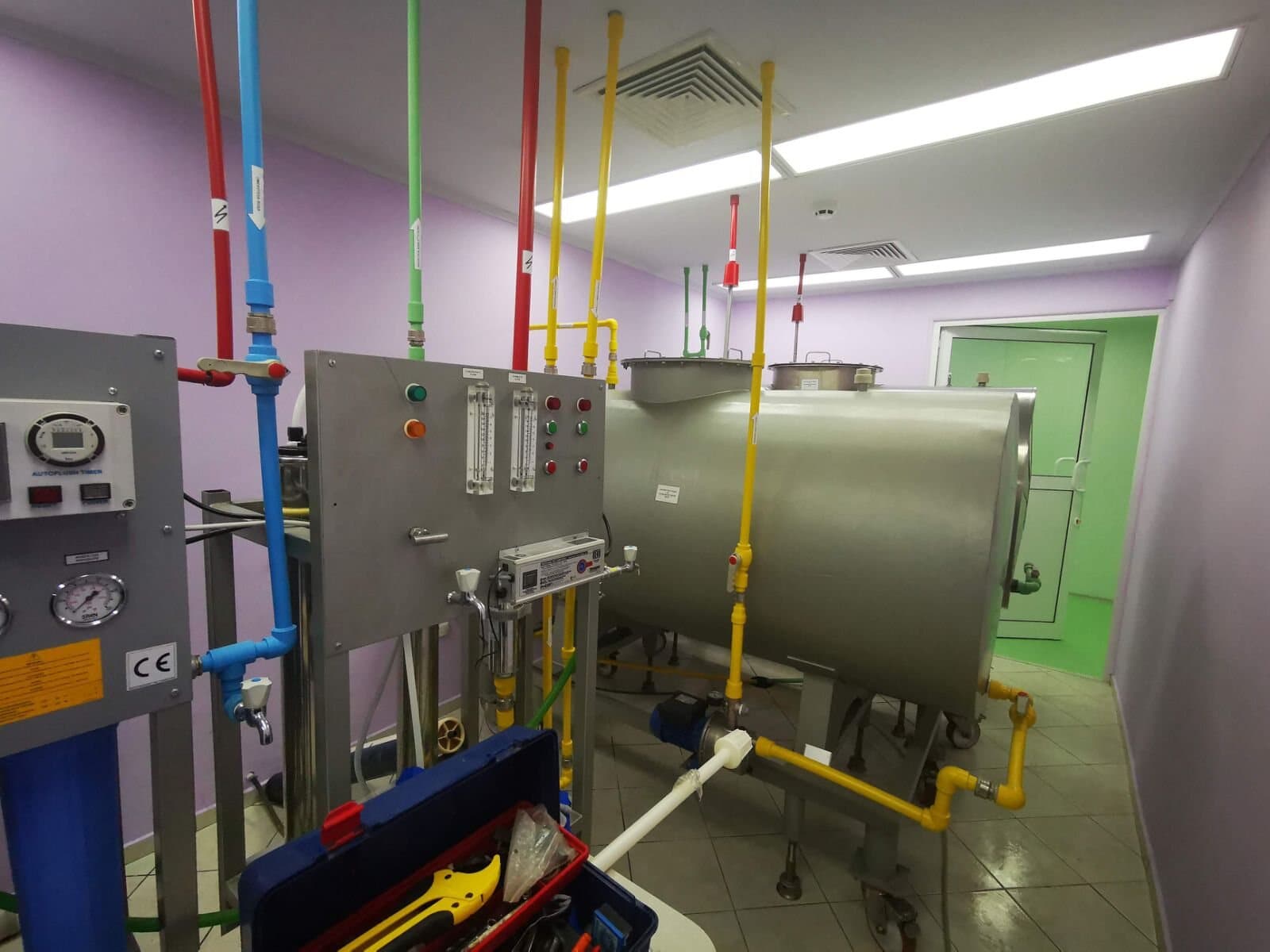 UV disinfectionDisinfecting water with UV light, with no chemicals and no change in taste.
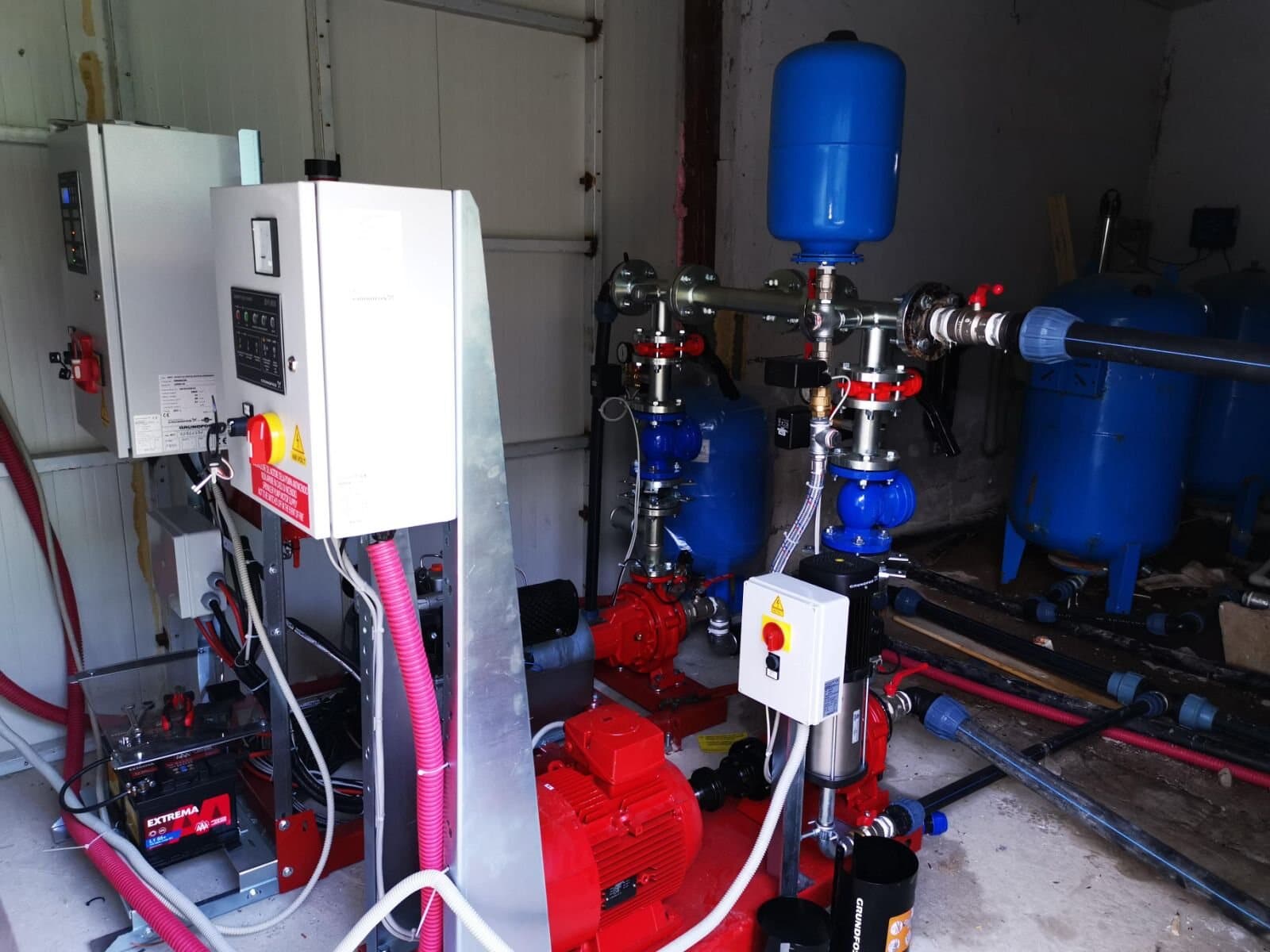 Service and maintenanceRepairs, diagnostics and contracted upkeep with genuine parts.
Free consultation
Tell us what you need: a new well, a pump, water treatment or a repair. One of our specialists will suggest a solution and a quote.
- Questions about this serviceAnastas Hitrov, 0888 654 040
- Phone0886 834 7170888 654 040
- Emailoffice@hydrocraft.bg
- Working hoursMon–Fri, 8:30–17:00
- OfficeSofia, Orlandovtsi, 1 Mara Buneva St.