
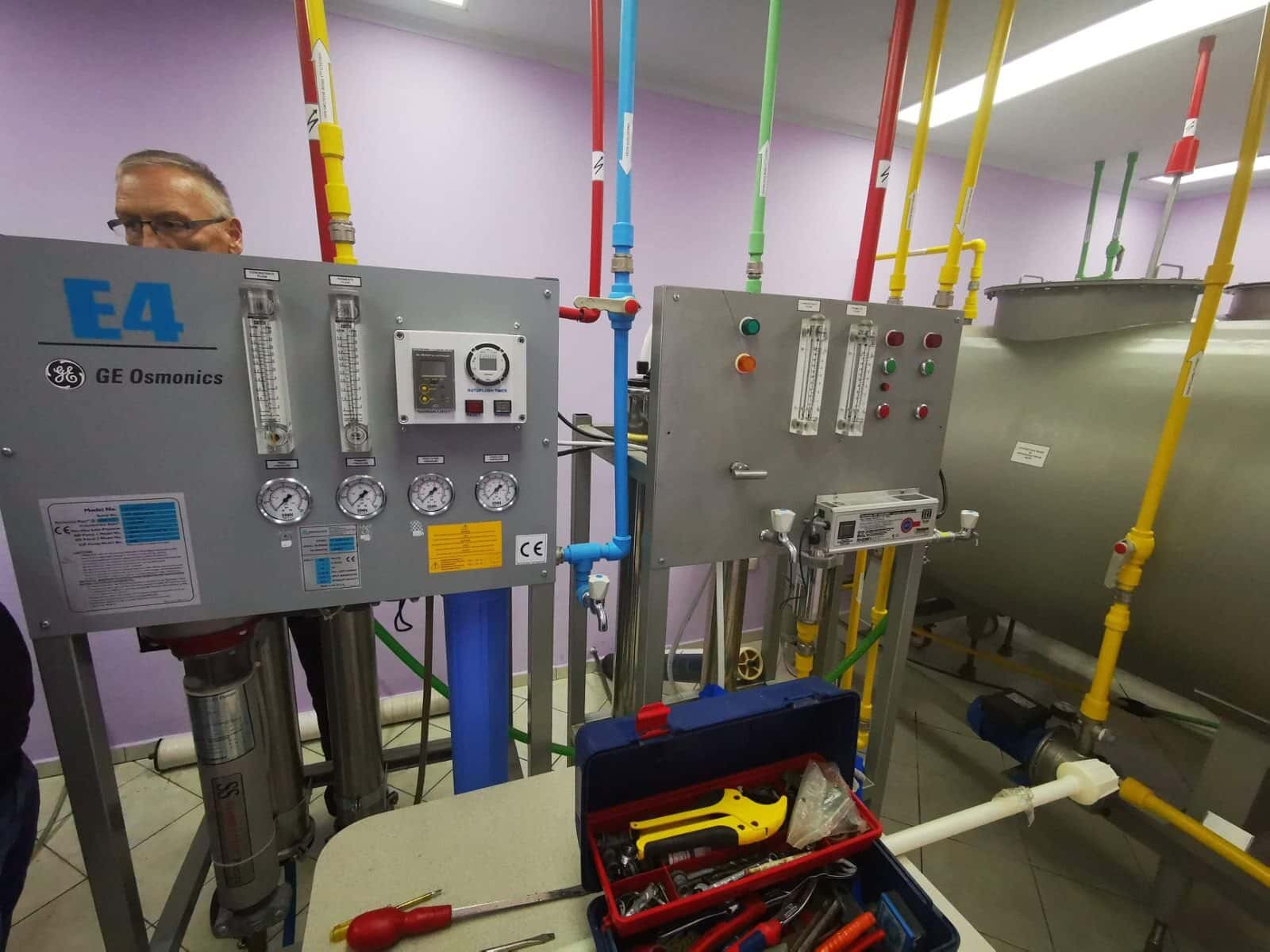
Service
Reverse osmosis for homes and businesses
A membrane removes up to 99% of dissolved substances and gives clean drinking water from a separate kitchen tap, while industrial systems supply water for production.
- fewer dissolved substances
- up to 99%
- fewer organic impurities
- up to 98%
About the service
How reverse osmosis works
Water is pushed under pressure through a membrane with pores smaller than the molecules of salts and contaminants. Clean water passes through, and what is held back is rinsed to the drain with a small part of the water.
Ahead of the membrane, a sediment filter and activated carbon catch sand, rust and chlorine to protect it. The treated water collects in a small tank and runs from a separate tap.
- Salts, nitrates and heavy metals
- Bacteria and viruses
- Chlorine, bad taste and odour
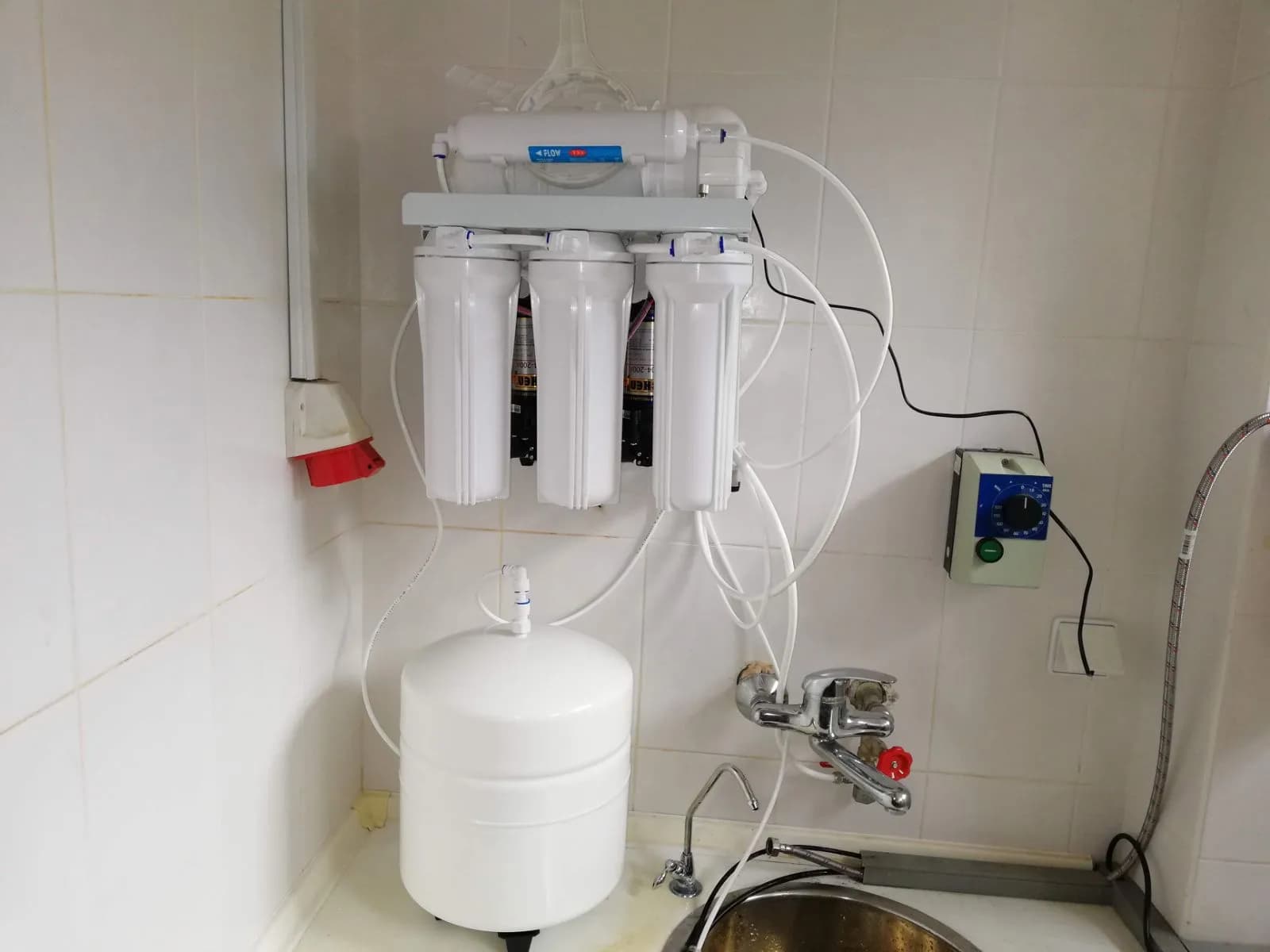
For production
BlueClear RO industrial reverse osmosis
Euro-Clear BlueClear RO delivers water with a conductivity down to 10 µS/cm for steam boilers, pharmaceuticals, cosmetics and manufacturing. We size it from the flow and the water analysis.
Stages
How the water is treated, stage by stage
Sediment filter
Catches sand, rust and sediment that would clog the membrane.
Activated carbon
Removes chlorine, organic matter, bad taste and odour.
Membrane
Holds back up to 99% of dissolved salts, nitrates, heavy metals and micro-organisms.
Remineraliser
Optionally adds calcium and magnesium back for a fuller taste.
Pressure pump
With low mains pressure or borehole water we add a pump so the membrane works properly.
Analysis first
The analysis shows whether a softener or an iron filter is needed ahead of the RO.
How we work
The process step by step
From the water analysis to the first glass from the new tap.
- 01AdviceWhere the water comes from, what it is for and what problems it has.
- 02AnalysisA lab analysis shows hardness, iron, nitrates and salts.
- 03SelectionAn under-sink or industrial system, with pre-treatment if needed.
- 04InstallationUnder the sink, with a separate tap and a drain connection.
- 05CommissioningWe flush the filters and check the water quality.
- 06UpkeepFilter and membrane changes on schedule.
Questions
Frequently asked questions
Is reverse osmosis water bad for you?
No. The water is clean but low in minerals, and we get most minerals from food. If you prefer a fuller taste, we add a remineraliser.
Does reverse osmosis work with borehole water?
Yes, but analyse the water first. Hardness, iron and manganese quickly clog the membrane, so we usually fit a softener or an iron and manganese filter ahead of it.
How much water goes to the drain?
The membrane is rinsed continuously, so some water goes to the drain with what is held back. How much depends on the system and the pressure. The right pressure reduces the waste.
How often are the filters changed?
The sediment filter every 3 to 6 months, the carbon filters every 6 to 12 months and the membrane every 2 to 3 years. We handle the changes under a maintenance contract.
Is a separate tap needed?
Usually yes. Treated water runs from a small tap by the sink, and the ordinary mixer stays for washing. Three-way mixers that combine both are also available.
Do you have industrial reverse osmosis?
Yes. Euro-Clear's BlueClear RO supplies water for steam boilers, the pharmaceutical and cosmetics industries and manufacturing. We size it from the flow and the water analysis.
How much does reverse osmosis cost?
It depends on the type of system, the water and the installation. Call or write to us for a quote.
The whole system from one company
More services
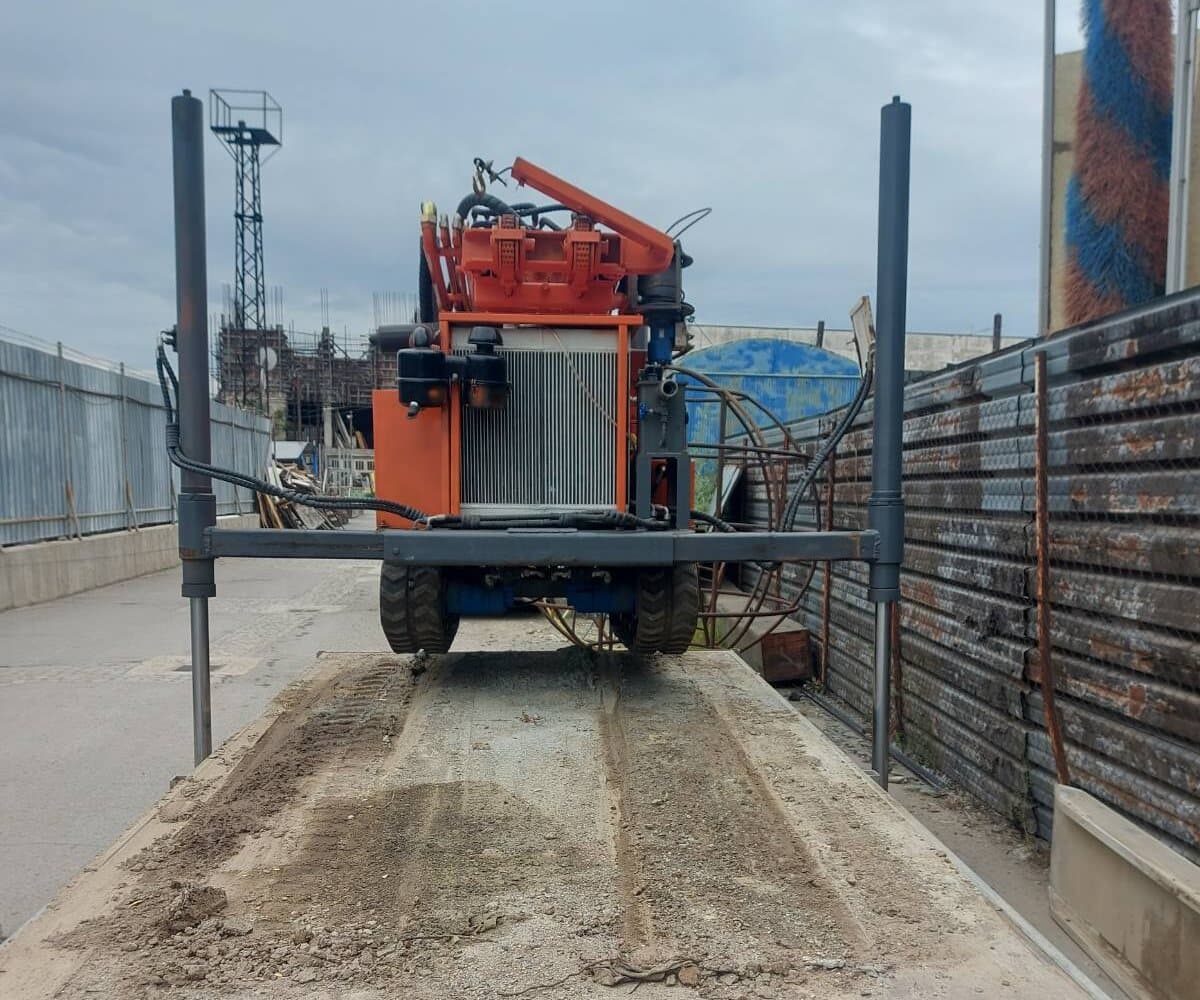 Well drillingWater and geothermal wells from 15 to 200 m, developed and fitted with a pump.
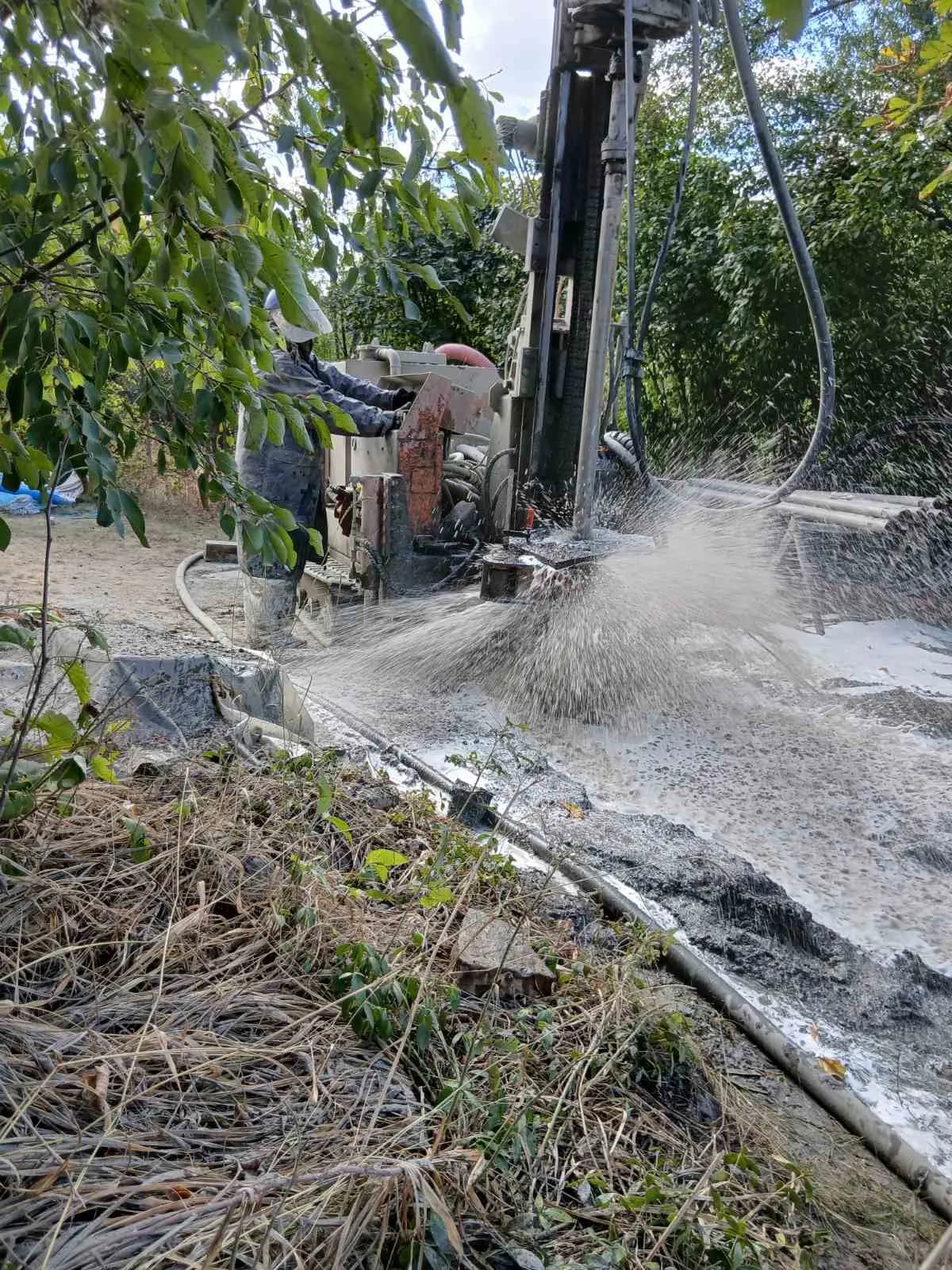 Borehole cleaningAirlift cleaning of new and old boreholes when the water is cloudy or the flow drops.
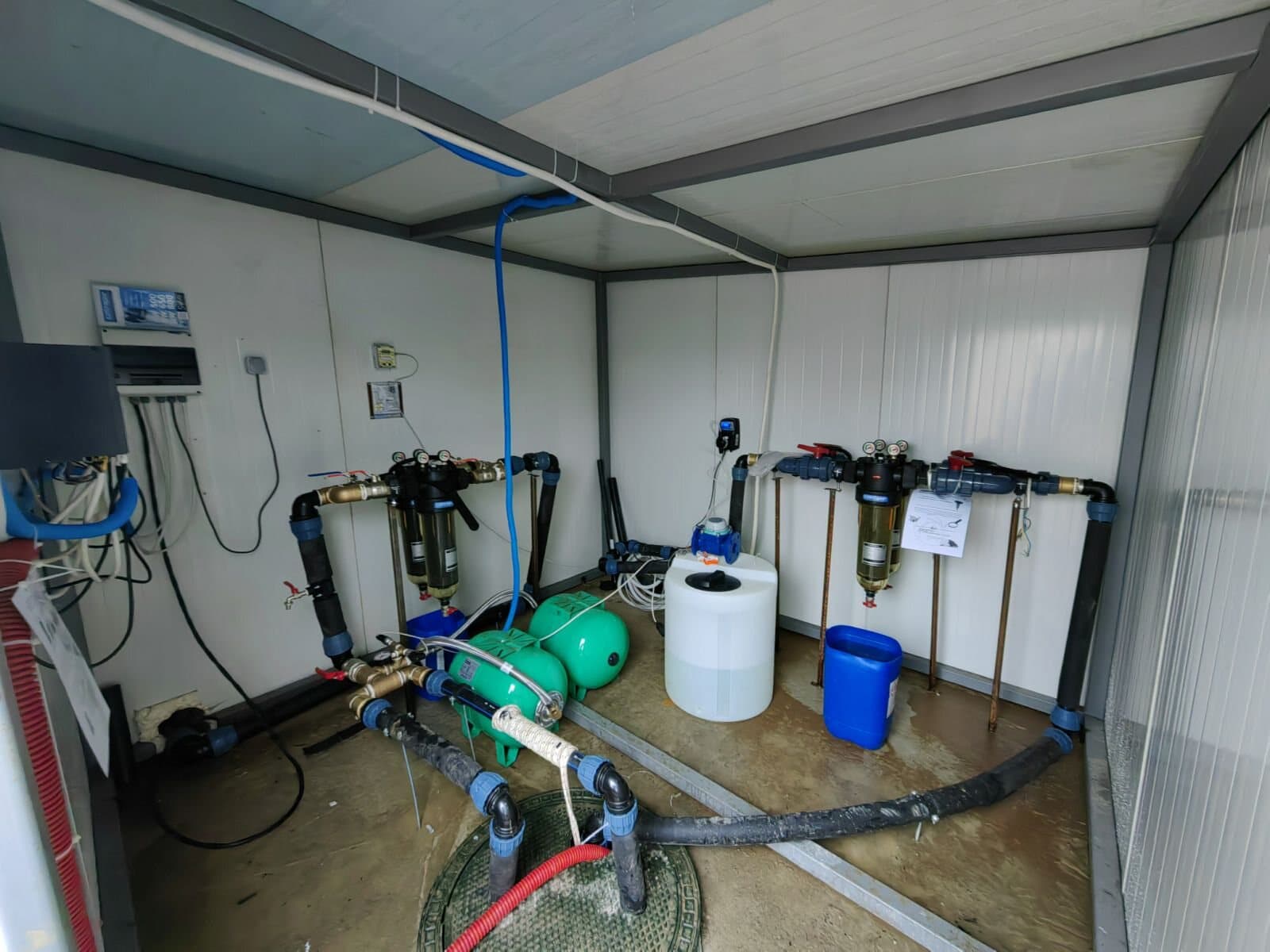 Pumps and pressure systemsSubmersible and surface pumps, pressure tanks and booster systems, installed.
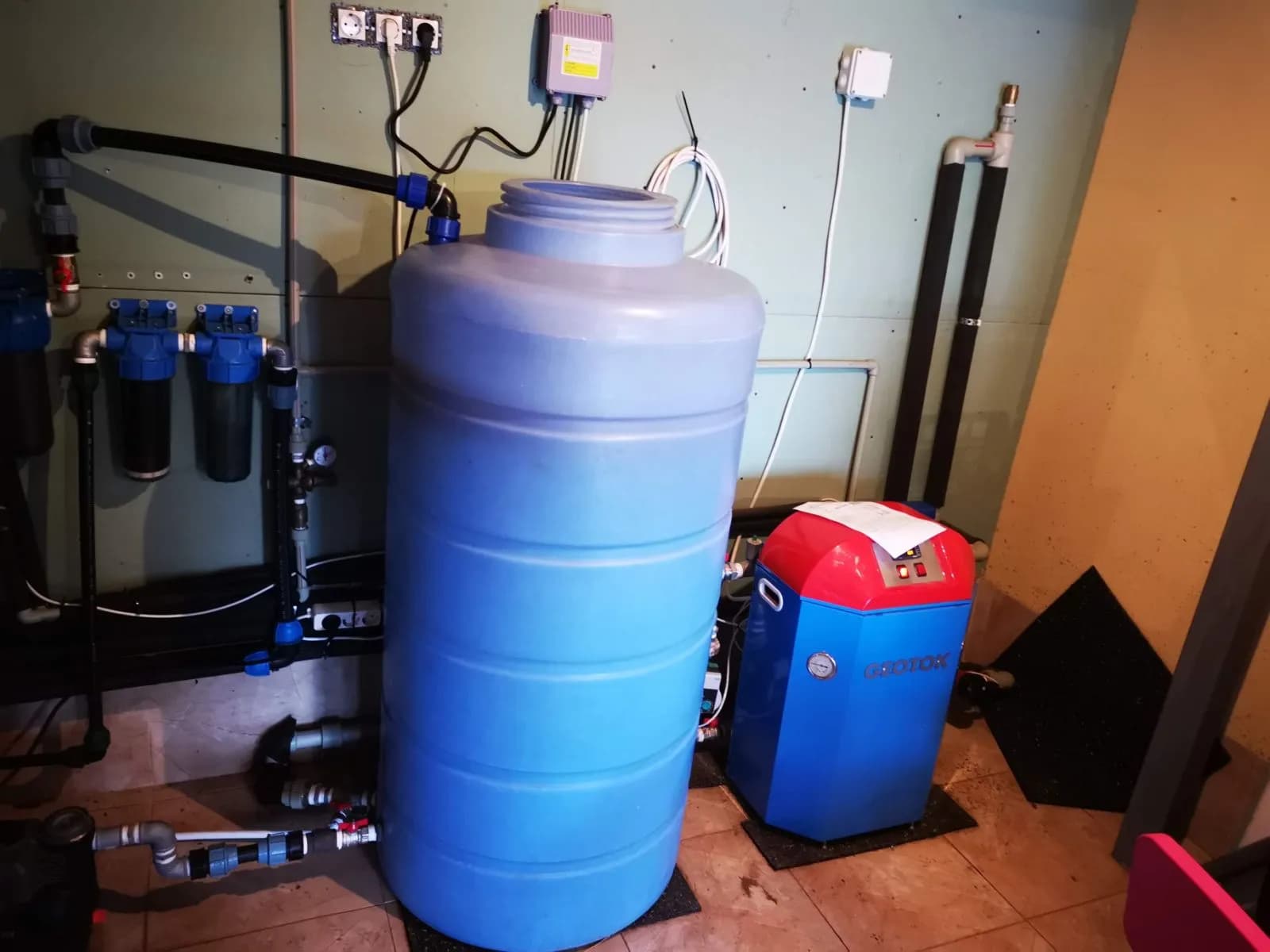 House booster setsPump, pressure vessel and controls for water from a borehole, well or tank.
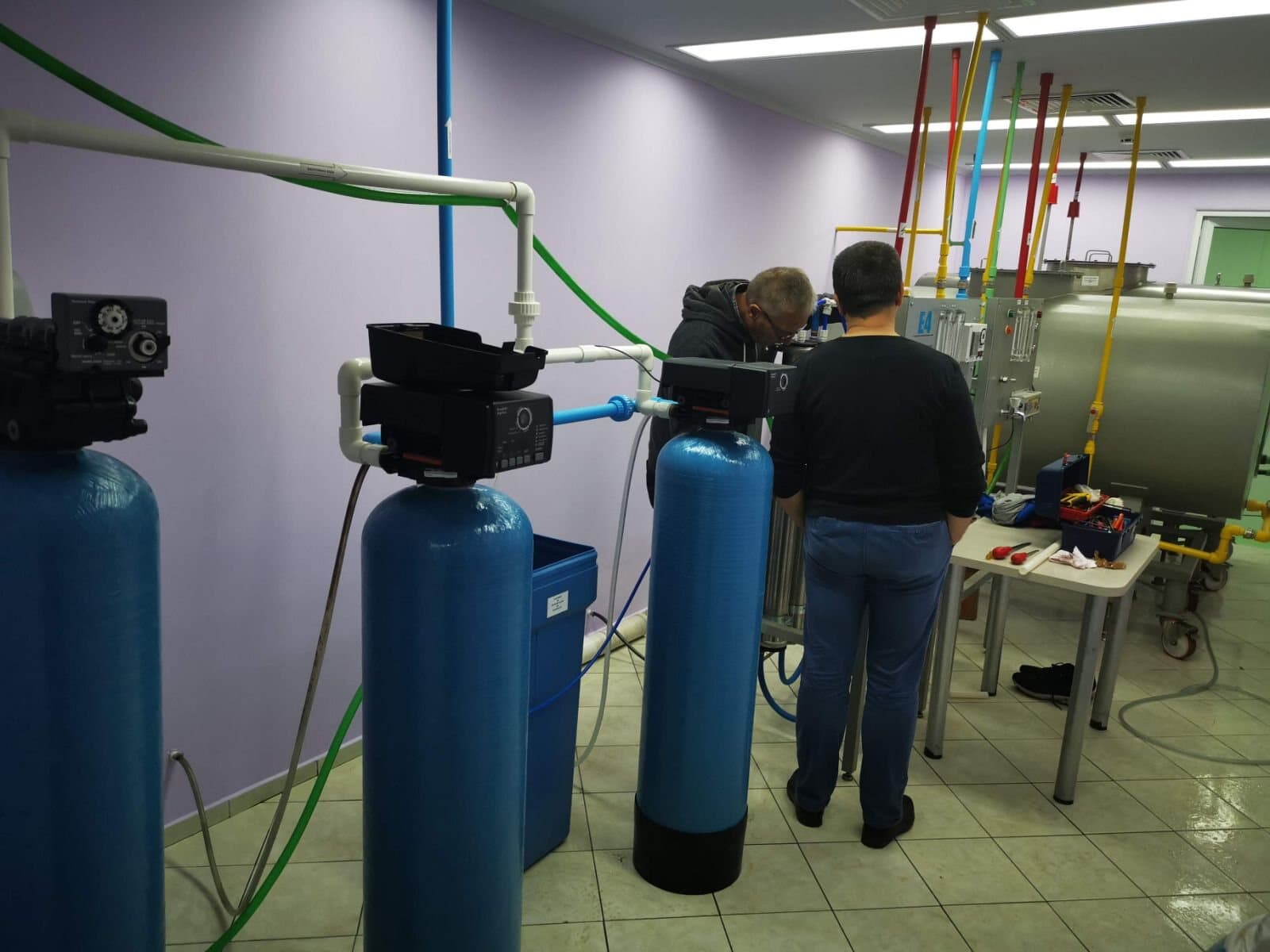 Water treatmentSoftening, filtering and reverse osmosis for clean water at home and at work.
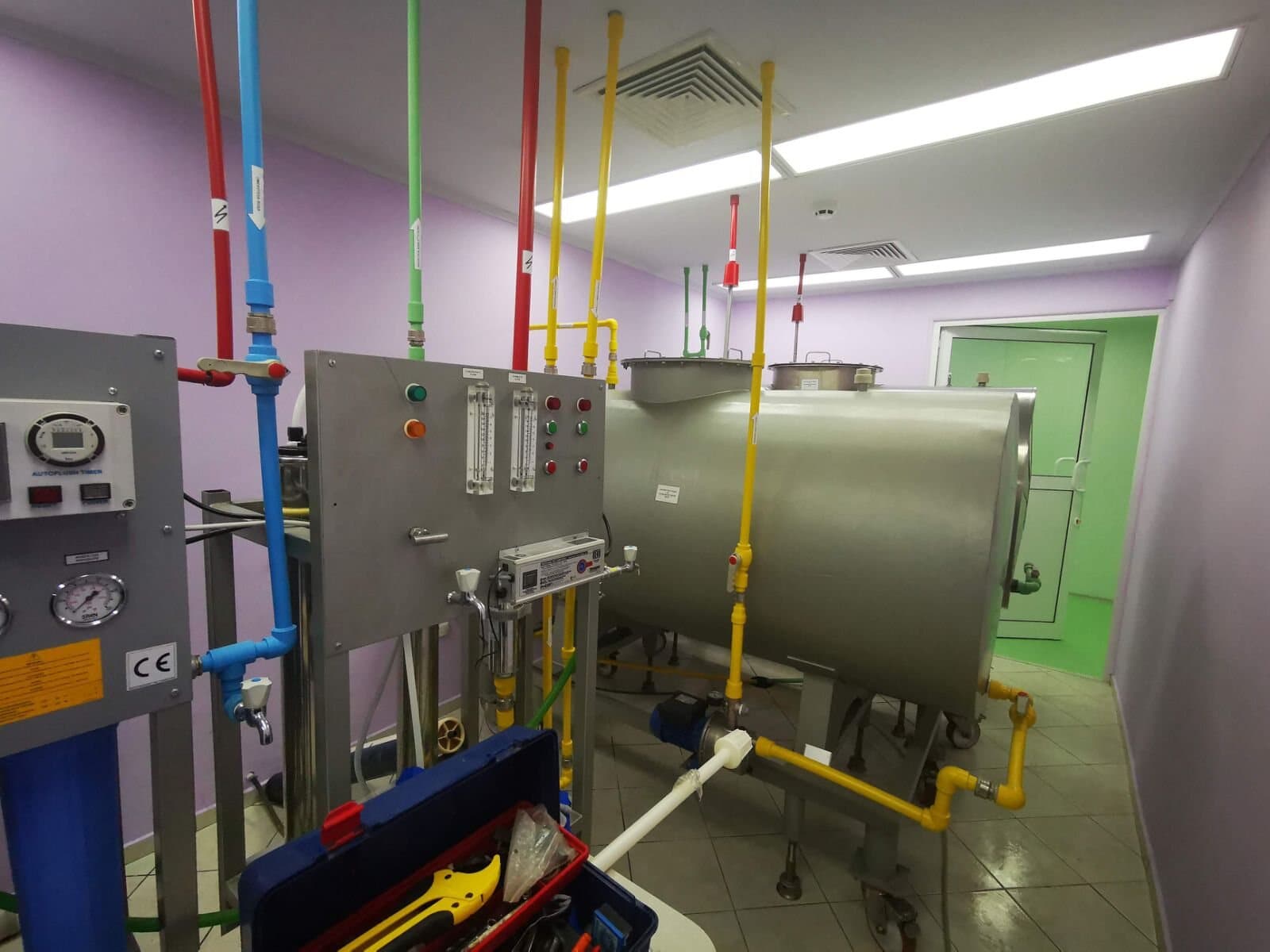 UV disinfectionDisinfecting water with UV light, with no chemicals and no change in taste.
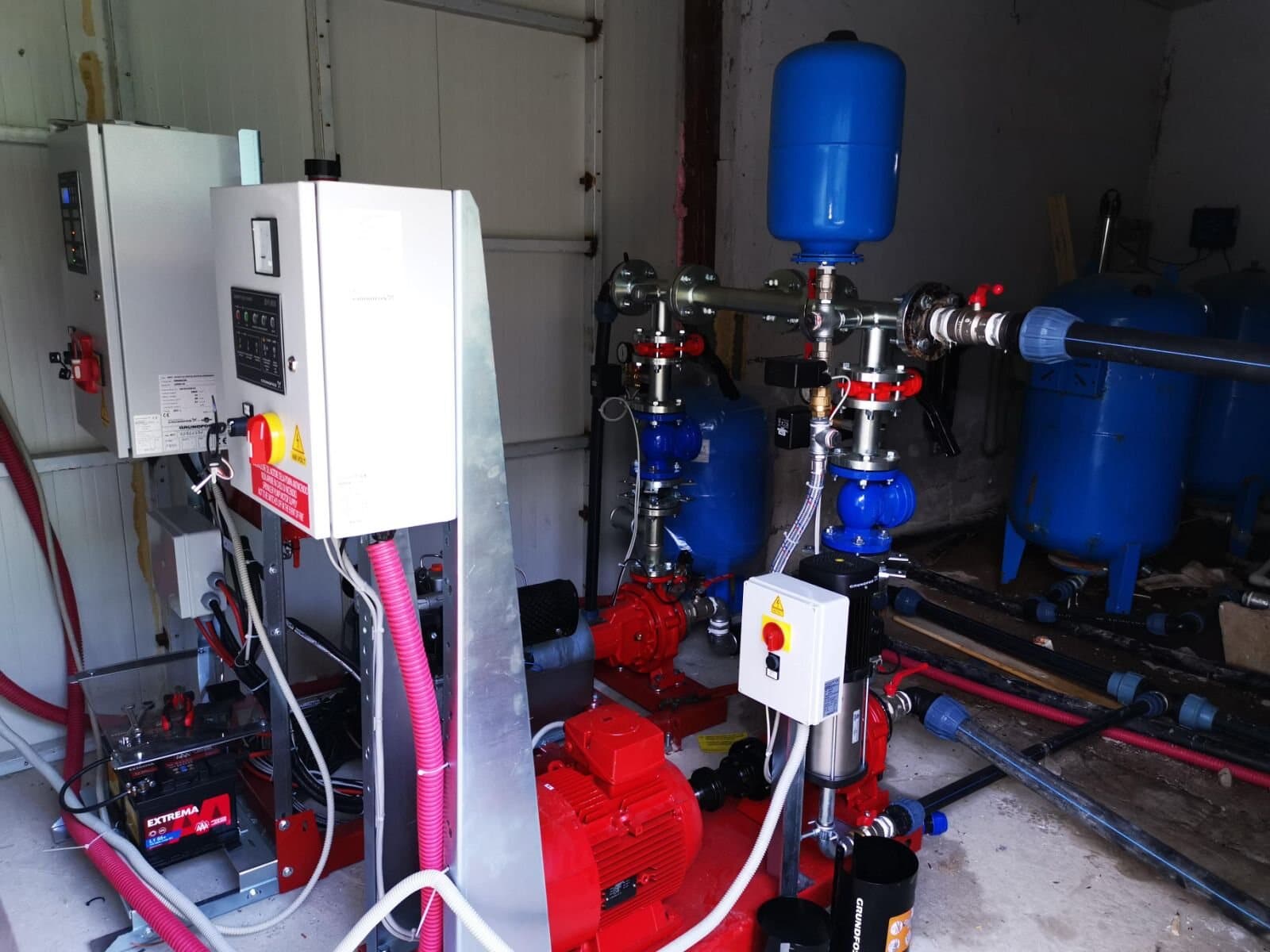 Service and maintenanceRepairs, diagnostics and contracted upkeep with genuine parts.
Free consultation
Tell us what you need: a new well, a pump, water treatment or a repair. One of our specialists will suggest a solution and a quote.
- Questions about this serviceAnastas Hitrov, 0888 654 040
- Phone0886 834 7170888 654 040
- Emailoffice@hydrocraft.bg
- Working hoursMon–Fri, 8:30–17:00
- OfficeSofia, Orlandovtsi, 1 Mara Buneva St.